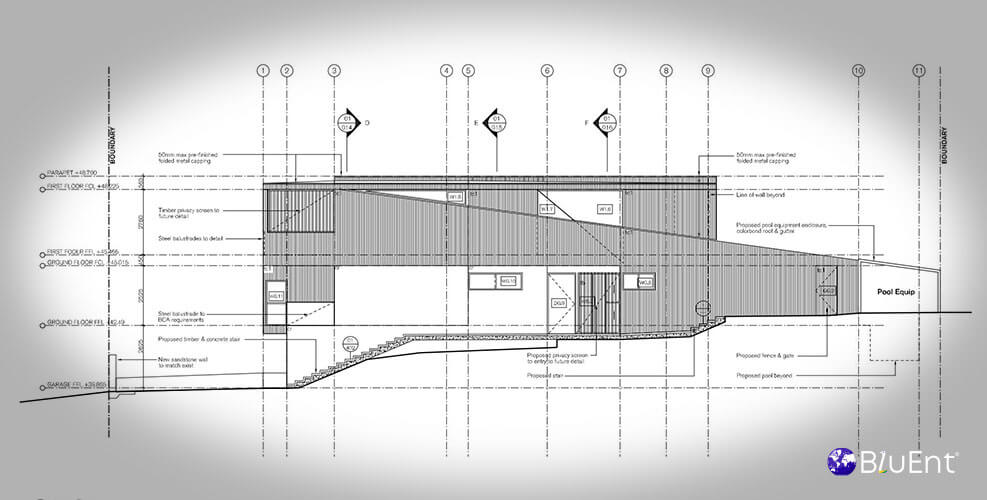
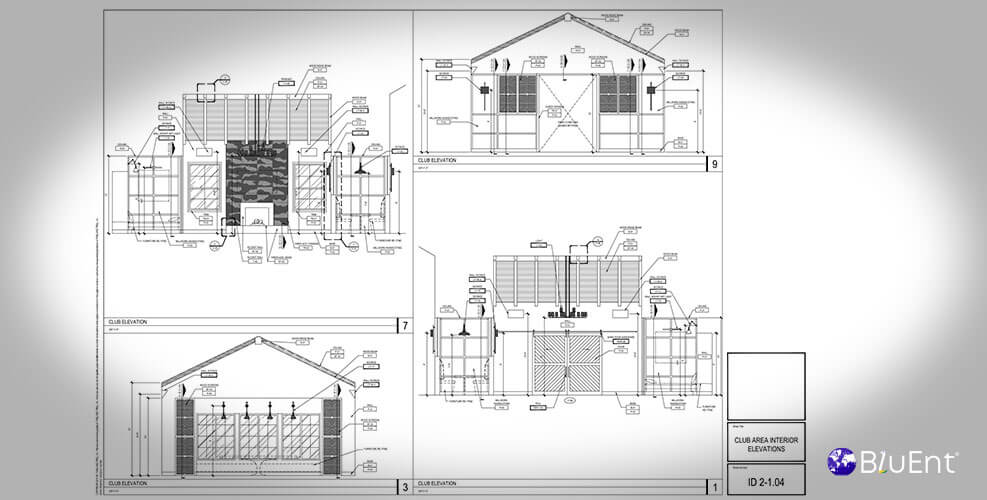
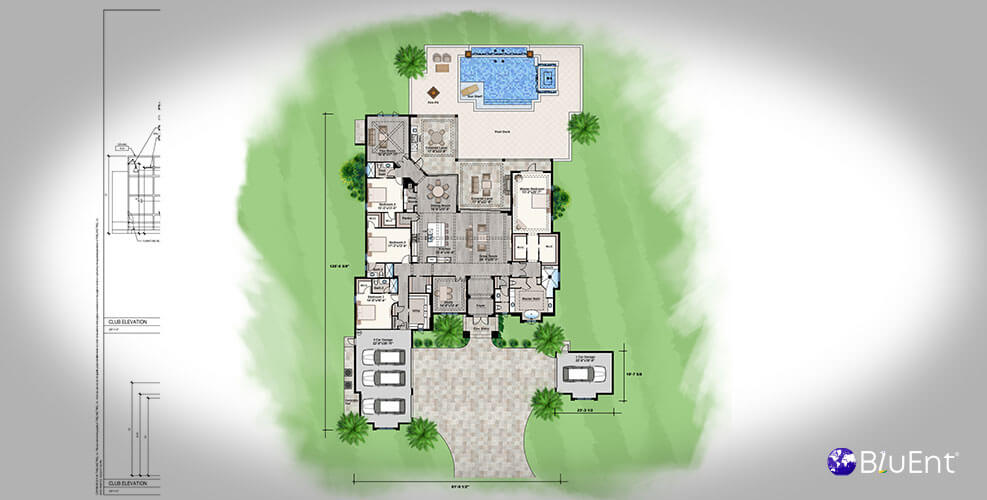
This is the condition that causes more fixture assembly failures than any other, and it is the condition least likely to be drawn by anyone. When a package is split between a metal vendor and a wood vendor, each draws their own parts correctly. The place where the two meet belongs to neither, so it gets assumed twice, differently.
It runs the same way almost every time, and nobody involved has done anything wrong.
The cost is real and it is almost never attributed to detailing, because by the time it appears the drawings have been approved and forgotten.

Six decisions, made on the sheet rather than on your floor.
You do not have to move the metal scope to get the interface owned.
Where a metal vendor is already engaged, the interface is detailed against what they are actually producing, using their drawings and their fabrication tolerances rather than assumed ones. The point is that someone owns the connection, not that one supplier owns everything.
Where the metal scope does come across, sheet-metal parts and flat patterns are handled in-house and the interface stops being a handover at all.
Fixture manufacturers running programmes where the same assembly problem keeps recurring. Rollout managers coordinating two vendors and reconciling the gap themselves. Contractors whose fit-out packages need site rework at the junctions every time. Casino, museum and hospitality work where the feature piece was never going to be one material.
Selected work
The place where metal meets wood belongs to neither vendor, so it gets assumed twice, differently.
Answers
Send a fixture assembly that gave you trouble
Scope and questions come back, not a template.





Connect with us!
Let's Talk
"*" indicates required fields