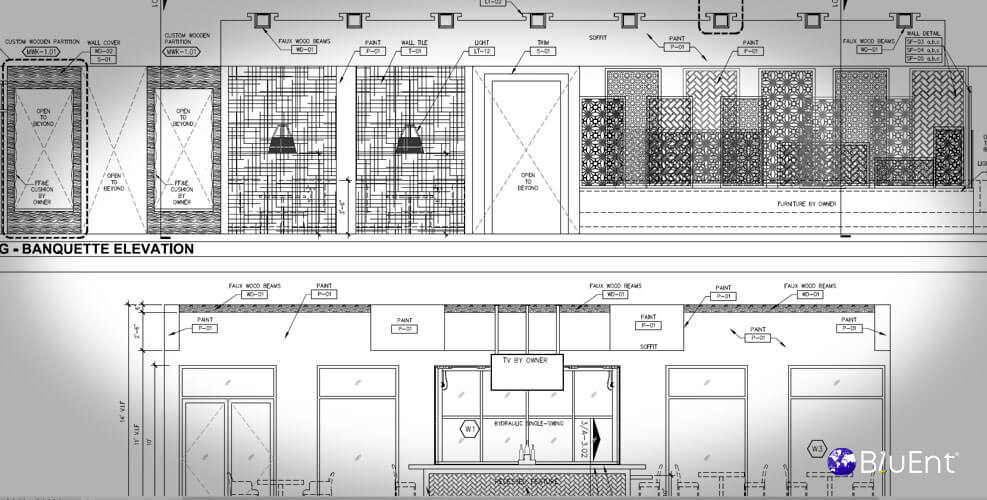
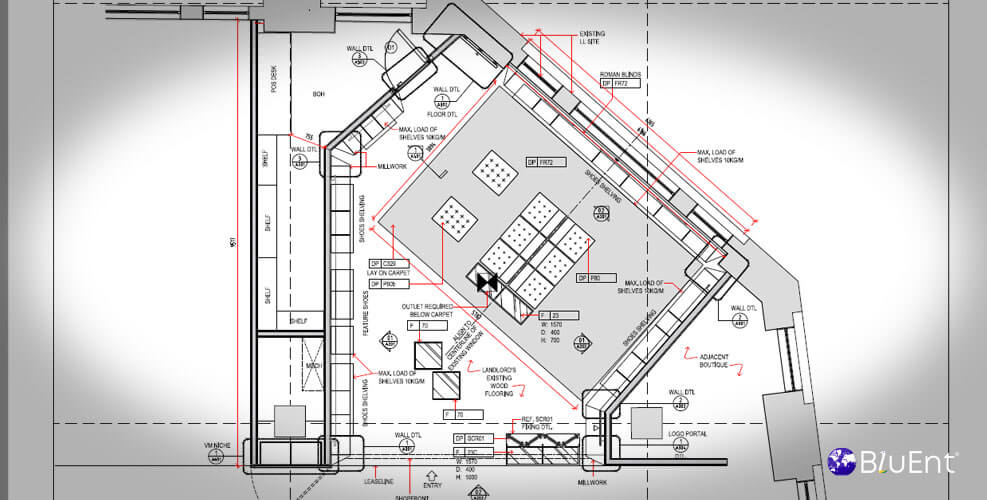
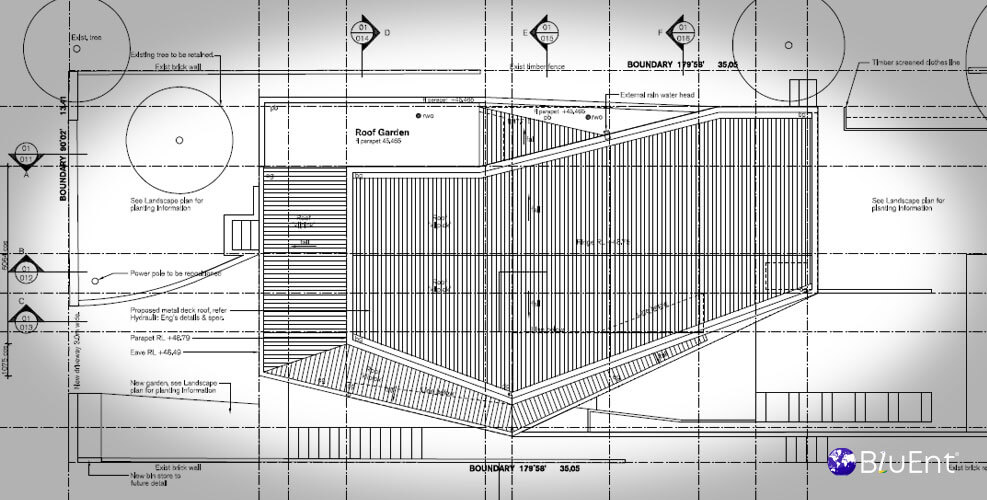
A 2D drawing says: this cabinet is 900 wide with two doors and an adjustable shelf. A parametric definition says: this cabinet type takes a width between these limits, generates doors by this rule, positions shelf pins by that logic, and produces these parts with these edge treatments.
This is the misunderstanding that makes shops quote conversion badly, and it is worth clearing first.
Tracing reproduces one cabinet. Conversion works out the rules that were always implicit in how your shop builds that cabinet, and writes them down in a form the software can execute.
Those rules exist. They are just held in the practice of the people who draw, rather than on the sheet. A drawing shows one instance; it does not tell you why the width was chosen, what would change if the opening were different, or which dimensions are genuinely fixed.

Where those conditions are absent, an audit will say so rather than a project discovering it in month three.
Encoding the rules exposes places where your shop has been building the same thing two different ways.
That is useful information and it is uncomfortable. It comes back to you as a decision rather than being resolved quietly in whichever direction is easier to encode, because picking one silently means the library now enforces a choice nobody made.
Not everything should be converted. Genuinely one-off items are cheaper drawn, and value concentrates in what repeats. Usually far less of a library needs converting than shops expect.
Conversion is platform-specific, and the work happens inside the environment you already run rather than in a parallel system that then has to be migrated.
Where you hold the licence and the conventions, we work to them. Platform-specific scope is confirmed at scoping rather than assumed, because what is possible differs materially between environments.
Shops with a large repeating item mix and a platform they are not getting value from. Technical leads who have inherited an undocumented library. Operations preparing for a platform migration who would rather convert deliberately than redraw under pressure.
Related: optimised cut lists, DXF generation, production readiness audit. Platforms: platforms hub.
Selected work
Converting is not tracing. A drawing shows an instance. A definition encodes a rule.
Answers
Scope a conversion - send your top 10 repeat units
Scope and questions come back, not a template.





Connect with us!
Let's Talk
"*" indicates required fields