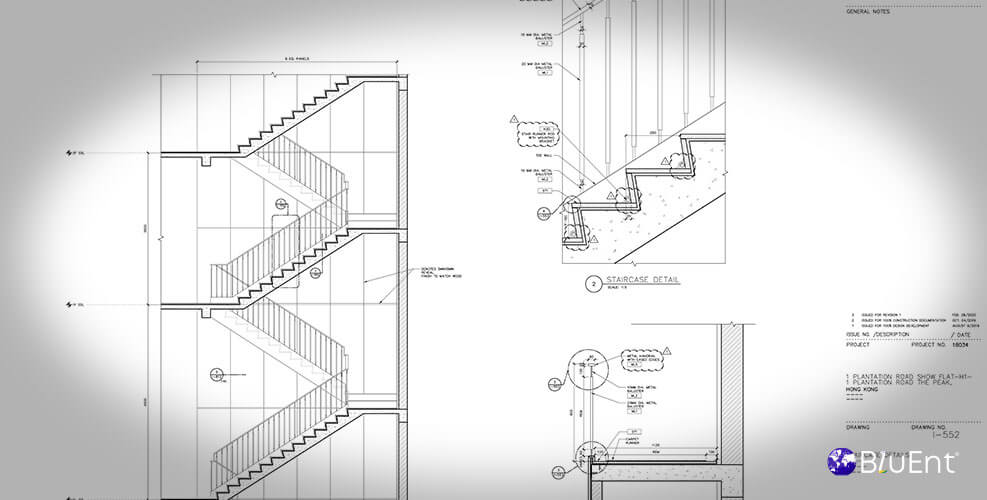
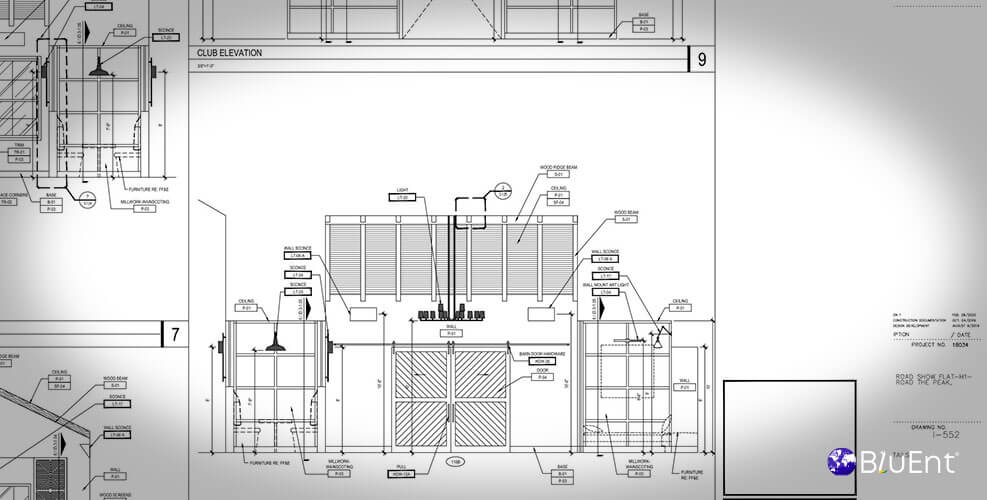
Approval gets permission. Fabrication drawings get the item built. They are written for a different reader, and they carry different information.

Fabrication documentation is only useful if it matches how your shop actually builds. A drawing that specifies a construction method your floor does not use creates a question every time it reaches the bench, and those questions cost more than the drawing did.
This is where the Standards Record earns its keep. Construction standards, joinery preferences, edge treatments, hardware conventions and the part-marking scheme are documented once and applied to every set after that. The second project does not reopen decisions the first one settled.
Where a shop's practice is undocumented, which is common, we record what the floor actually does and confirm it with you. We do not quietly substitute our own convention.
These are the gaps that turn into phone calls, and they are avoidable at drawing.

Where a shop runs a machining centre, fabrication drawings and production data are produced together from one coordinated source, so the drawing and the machine output describe the same part. Producing them separately is how a floor ends up with a drawing that says one thing and a nested sheet that says another.
Manufacturers where drawing quality drives labour hours directly. Shops moving from owner-drawn documents to a repeatable standard. Any operation building the same item more than once, where the second build should be cheaper than the first.
Selected work
Approval gets permission. Fabrication drawings get the item built.
Answers
Get a free drawing review
We will detail it to your construction standard and you can put the drawing in front of the person who would build from it.
Scope and questions come back, not a template.





Connect with us!
Let's Talk
"*" indicates required fields