


Metal-to-Wood Interface Details Owned by neither, so owned by us.
This is the condition that causes more fixture assembly failures than any other, and it is the condition least likely to be drawn by anyone. When a package is split between a metal vendor and a wood vendor, each draws their own parts correctly. The place where the two meet belongs to neither, so it gets assumed twice, differently.
The eight-step failure pattern
It runs the same way almost every time, and nobody involved has done anything wrong.
- The design shows the assembly but not the connection.
- The metal detailer draws the frame with connection points at nominal positions.
- The wood detailer draws the panels to nominal dimensions.
- Both sets are correct in isolation. Both get approved.
- Parts are fabricated to different tolerances, because metal fabrication and woodworking do not hold the same ones.
- Both are finished, and both gain thickness.
- Assembly finds the accumulated difference and resolves it with a drill and a shim.
- Nobody records what happened, so the next programme repeats it.
The cost is real and it is almost never attributed to detailing, because by the time it appears the drawings have been approved and forgotten.

What an interface detail resolves
Six decisions, made on the sheet rather than on your floor.
- Which tolerance governs.
- Metal and wood are fabricated to different tolerances. The detail states which one the connection is designed against, and where the difference gets absorbed.
- Where adjustment lives.
- Slotted holes, shims, adjustable brackets, deliberate clearance. Every mixed-material assembly needs adjustment somewhere. The detail decides where, rather than leaving a fitter to improvise it at seven in the morning.
- What moves and what does not.
- Wood moves across the grain with moisture. Metal does not. A long run fixed rigidly at both ends will cup, split or open a visible gap depending on which season it was installed in.
- How the fastening actually works.
- Through-fixing, blind fixing, threaded inserts, and what happens when the wood component is thinner than the fixing assumes.
- What the finish does.
- Powder coating and wood finishing both add thickness. A connection designed to nominal dimensions has lost its clearance by the time both parts arrive finished.
- Where the visible line falls.
- A joint between two materials is visible. Whether it reads as a deliberate reveal or as a manufacturing error is a detailing decision, not an assembly outcome.
Where the tolerances collide
- Fabrication tolerance.
- The difference between the two trades has to be absorbed by design, or it gets absorbed by force on the floor.
- Thermal movement.
- Metal and wood respond differently to temperature and humidity. Fixed connections at multiple points along a run create stress that has to go somewhere.
- Finish build-up.
- Different processes, different thicknesses, on the same assembly.
- Adjustment provision.
- Slotted holes and shims are not a sign of a sloppy design. They are how a mixed-material assembly is made to work on a real site.
Working with your existing metal vendor
You do not have to move the metal scope to get the interface owned.
Where a metal vendor is already engaged, the interface is detailed against what they are actually producing, using their drawings and their fabrication tolerances rather than assumed ones. The point is that someone owns the connection, not that one supplier owns everything.
Where the metal scope does come across, sheet-metal parts and flat patterns are handled in-house and the interface stops being a handover at all.
Who this is for
Fixture manufacturers running programmes where the same assembly problem keeps recurring. Rollout managers coordinating two vendors and reconciling the gap themselves. Contractors whose fit-out packages need site rework at the junctions every time. Casino, museum and hospitality work where the feature piece was never going to be one material.
Selected work
Featured Millwork Projects
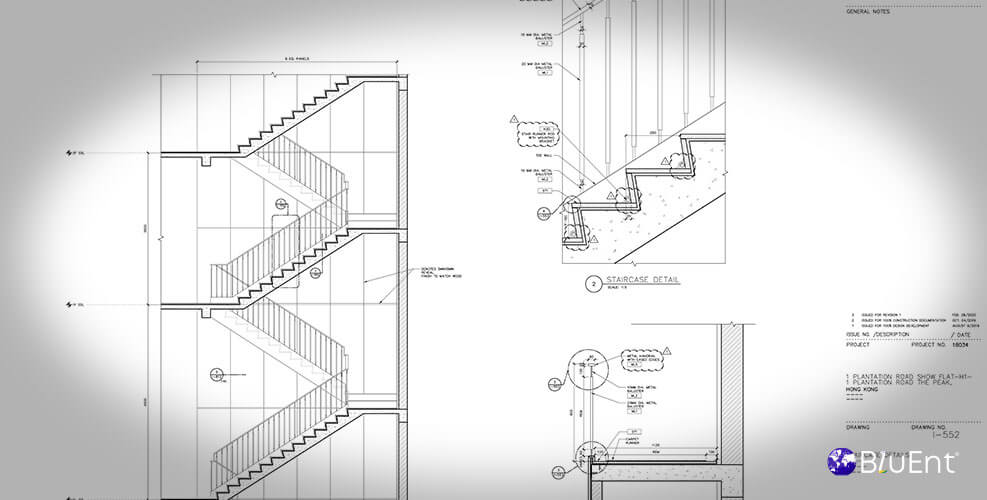
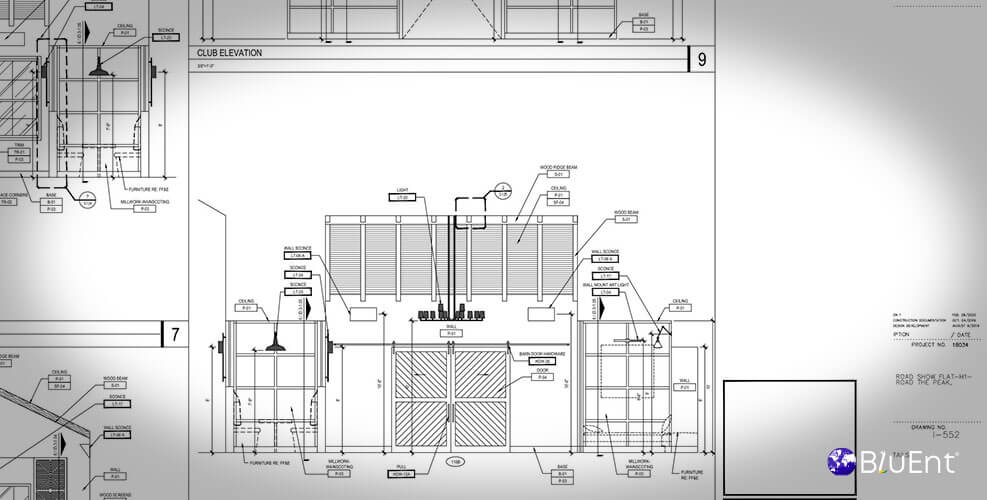
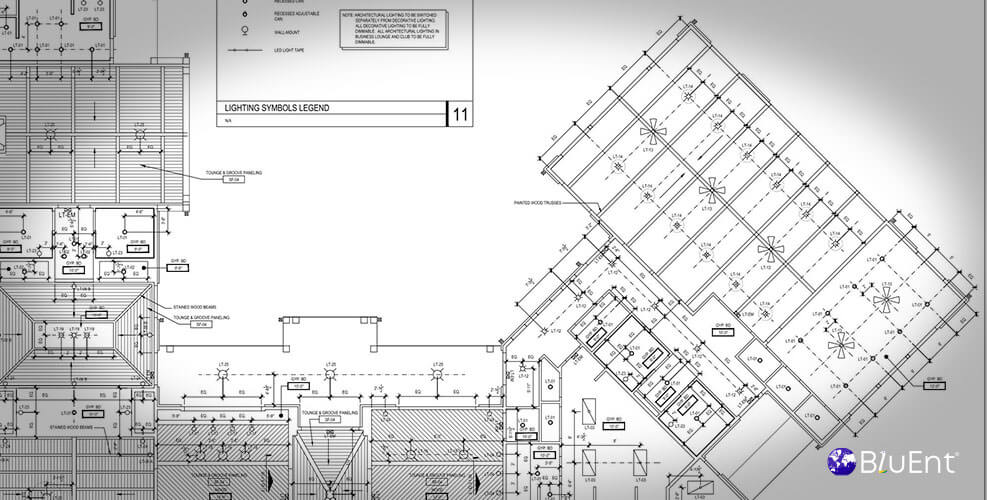
The place where metal meets wood belongs to neither vendor, so it gets assumed twice, differently.
FAQ
Frequently Asked Questions
Can you do this if our metal is already detailed by someone else?
Yes, and it is a common arrangement. We need their drawings and their fabrication tolerances, and the interface gets detailed against what they are actually producing.
Is this a separate deliverable or part of the fixture package?
Usually part of the package. It is called out separately here because it is the part most often missing, and it is worth asking any supplier whether they will draw it.
What if the design allows no adjustment anywhere?
That is a finding, and it goes back as a query before fabrication rather than as a problem at assembly. An assembly with no adjustment provision anywhere will have it invented on site, by whoever is holding the drill.
Do you detail glass and acrylic interfaces too?
Within the fixture assembly, yes, including edge treatment, thickness and support requirements. Specialist glass engineering, where a condition needs it, sits with a qualified specialist.
Send a fixture assembly that gave you trouble
The interface conditions that caused it are usually visible in the two drawing sets.
- Interface detailed against what your metal vendor is actually producing
- Governing tolerance and adjustment provision decided on the sheet
- Works with an existing metal vendor or with ours
- One named contact, not a general queue
Project enquiry
Scope and questions come back, not a template.