


Production and fabrication drawings Written for the bench, not the reviewer.
Approval gets permission. Fabrication drawings get the item built. They are written for a different reader, and they carry different information.
What changes from the submittal
- Construction methodology
- How the item is actually assembled, in what order, and with what.
- Joinery methods
- Specified at each connection, to your shop’s standard practice rather than to a textbook default.
- Part identification and marking
- So a panel arriving at assembly is unambiguous.
- Component-level dimensions
- Including allowances for edge banding, finish build-up and hardware setback.
- Assembly breakdown
- For items built in stages, with sub-assemblies identified.
- Material specification per part
- Core, face, edge, and grain direction where it is constrained.
- Hardware fixing positions
- Dimensioned for boring and installation rather than described.
Written for one shop, not a generic one
Fabrication documentation is only useful if it matches how your shop actually builds. A drawing that specifies a construction method your floor does not use creates a question every time it reaches the bench, and those questions cost more than the drawing did.
This is where the Standards Record earns its keep. Construction standards, joinery preferences, edge treatments, hardware conventions and the part-marking scheme are documented once and applied to every set after that. The second project does not reopen decisions the first one settled.
Where a shop’s practice is undocumented, which is common, we record what the floor actually does and confirm it with you. We do not quietly substitute our own convention.
The four questions a floor asks most
These are the gaps that turn into phone calls, and they are avoidable at drawing.
- “Which way does this panel go?” Grain direction and face identification on every part where it is constrained.
- “What size is it really?” Finish build-up and edge banding change fitting dimensions. Those allowances belong at the part, not corrected at assembly.
- “What order does this go together in?” Some assemblies can only be built one way, because a connection becomes inaccessible after an earlier step. Where that is true, the drawing says so.
- “Will this even get in the door?” An item that cannot pass through the opening it is destined for is a fabrication drawing failure, not an installation problem. Delivery route and field joints belong in the set.

Where it meets production data
Where a shop runs a machining centre, fabrication drawings and production data are produced together from one coordinated source, so the drawing and the machine output describe the same part. Producing them separately is how a floor ends up with a drawing that says one thing and a nested sheet that says another.
Who this suits
Manufacturers where drawing quality drives labour hours directly. Shops moving from owner-drawn documents to a repeatable standard. Any operation building the same item more than once, where the second build should be cheaper than the first.
Selected work
Featured Millwork Projects
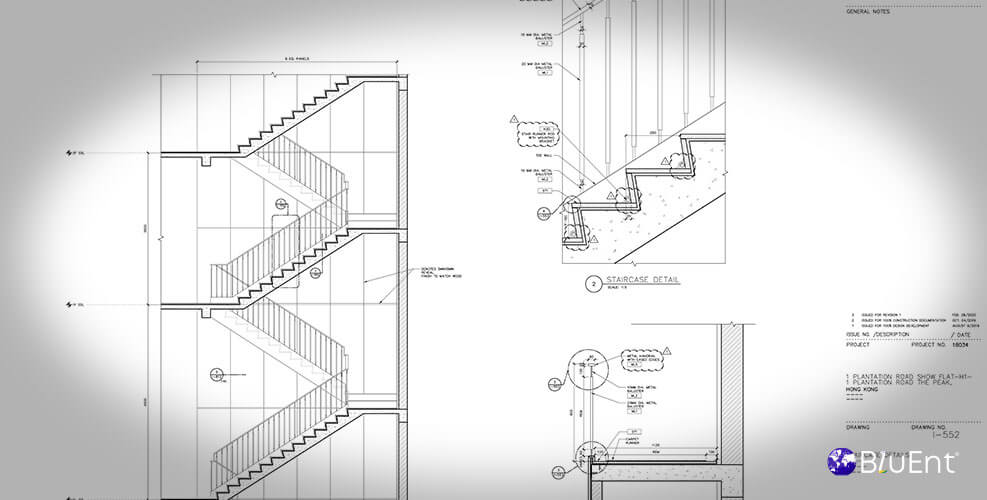
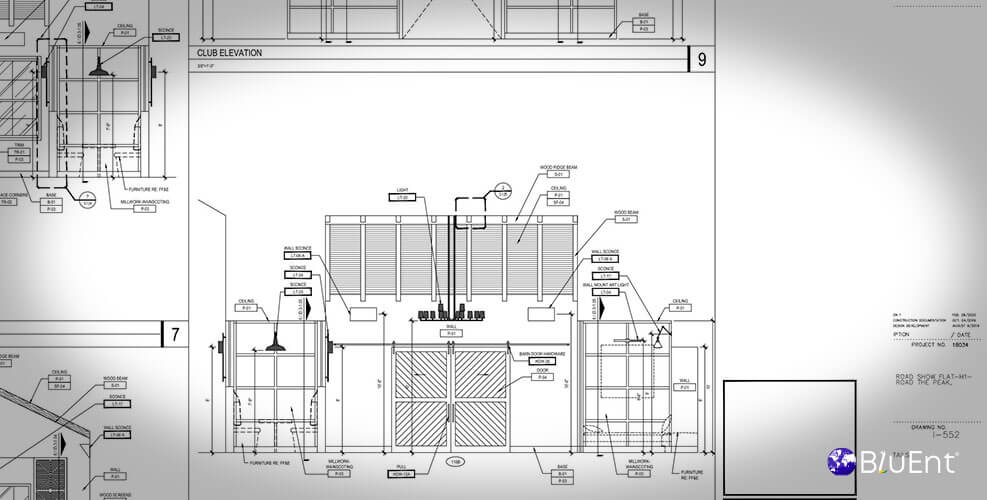
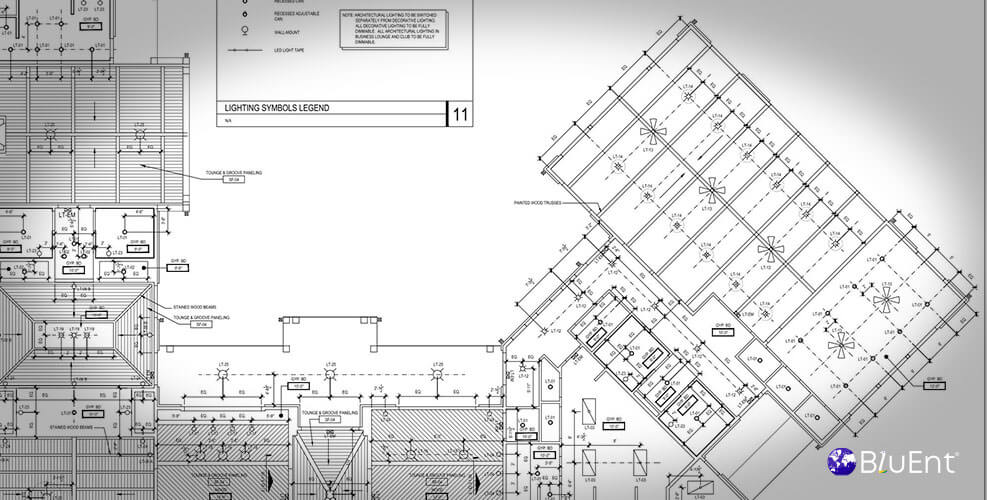
Approval gets permission. Fabrication drawings get the item built.
FAQ
Frequently Asked Questions
Do you need to know our construction standards before starting?
Yes, and capturing them is part of the first project. Where standards are undocumented, we record what your floor actually does and confirm it with you rather than imposing a convention.
Can fabrication drawings be produced before the submittal is approved?
They can, but it carries risk, because any change at approval flows into the fabrication set. Where schedule pressure requires it, we agree at scoping which parts are safe to release early.
Are cut lists included?
No. Cut lists are a separate deliverable produced to your supplied material and machine parameters, and they are frequently scoped alongside fabrication drawings rather than inside them.
Do you specify our hardware, or the architect's?
The specified hardware, unless a substitution has been approved. Where the specified item will not clear the drawn condition, that is raised as a query before drawing rather than resolved silently.
Get a free drawing review
Send one item you build repeatedly.
We will detail it to your construction standard and you can put the drawing in front of the person who would build from it.
- Construction methodology matched to how your shop actually builds
- Shop standards captured once, applied to every set after that
- Cut lists and production data scoped alongside where a machining centre runs
- One named contact, not a general queue
Free drawing review
Scope and questions come back, not a template.