This is the work that happens before and around the drawing: reading the specification properly, questioning what the design does not resolve, and catching the conditions that will fail on the floor or on site.
Drawing production can be bought in many places. What is genuinely scarce is someone who will look at a set of architectural drawings and say: this detail cannot be built at this tolerance, this hardware will not clear that return, this specification clause contradicts the finish schedule, and this junction has no answer at all.
That is engineering, and the value of finding it early is not proportional to the cost of finding it. A conflict caught during detailing costs a query. The same conflict caught at installation costs a remake and a delayed handover.

Identifying what the design does not answer, writing the RFI so it gets a usable response, and tracking it to closure.
ExploreReading the written specification against the drawings and the schedules, and reporting conflicts before they become rejections.
ExploreAssessing whether the design as drawn can be fabricated, transported, delivered and installed, and what it costs in method if it can.
ExploreTwo further capabilities appear on the capability map as direction rather than active offers: joinery method selection, and material and hardware substitution. Both require a depth of account knowledge that only accumulates over time.
Engineering findings arrive as part of detailing rather than as a separate report nobody reads.

Shops taking on work more complex than their usual run and wanting a second technical opinion. Manufacturers whose engineering function is the bottleneck rather than their drawing capacity. Contractors carrying design-assist responsibility without in-house woodwork expertise. Architects and design-build firms needing feature millwork tested for buildability before it is priced.

Some engineering work depends on knowing a specific shop's machines, tooling, material stock and labour practice. That knowledge does not exist at the start of a relationship and cannot be assumed from a drawing set. Where a scope needs it, it is scoped after that knowledge is earned, not before.
Selected work
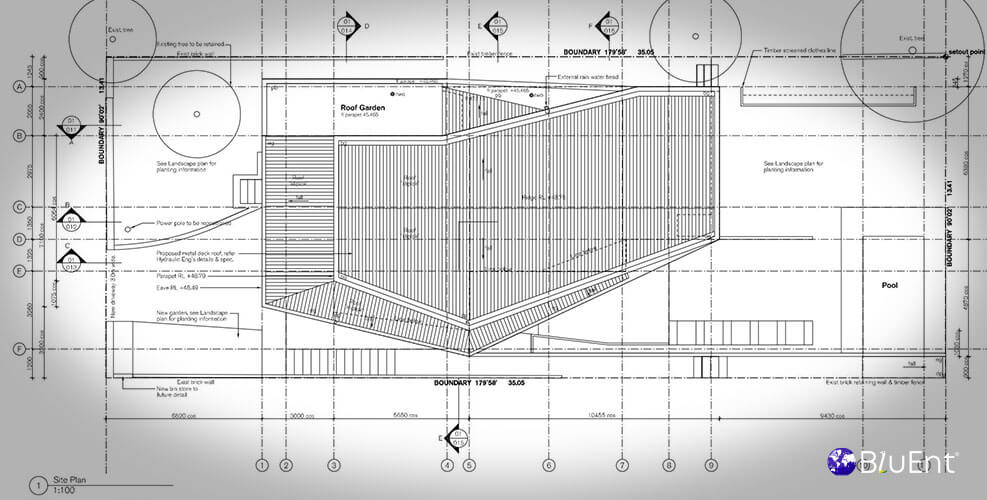
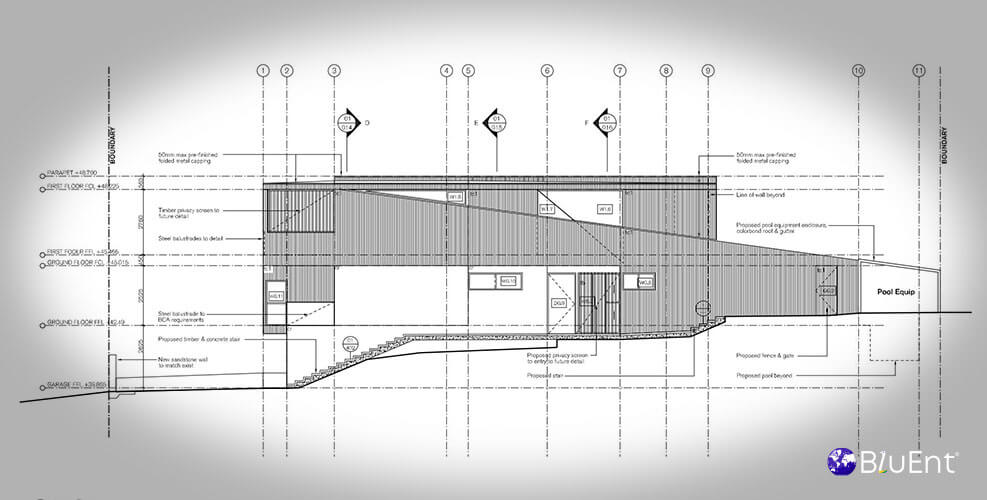
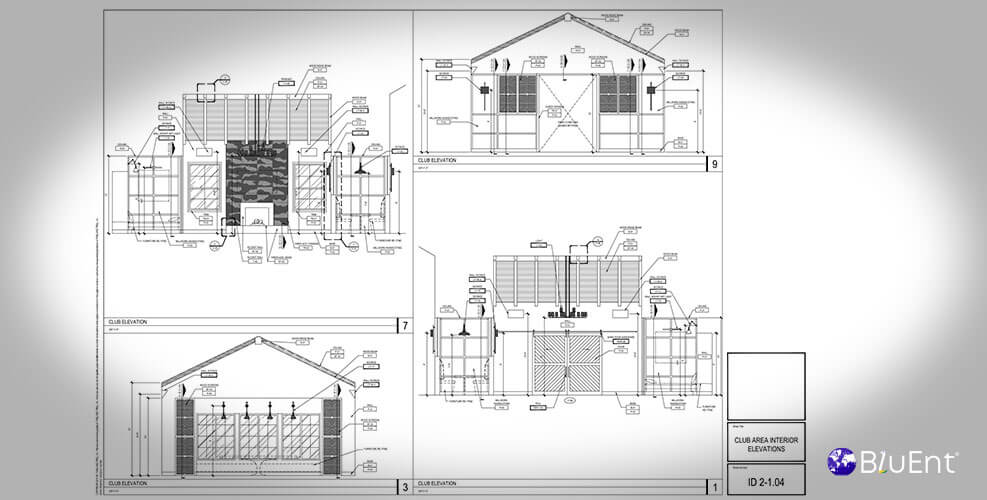
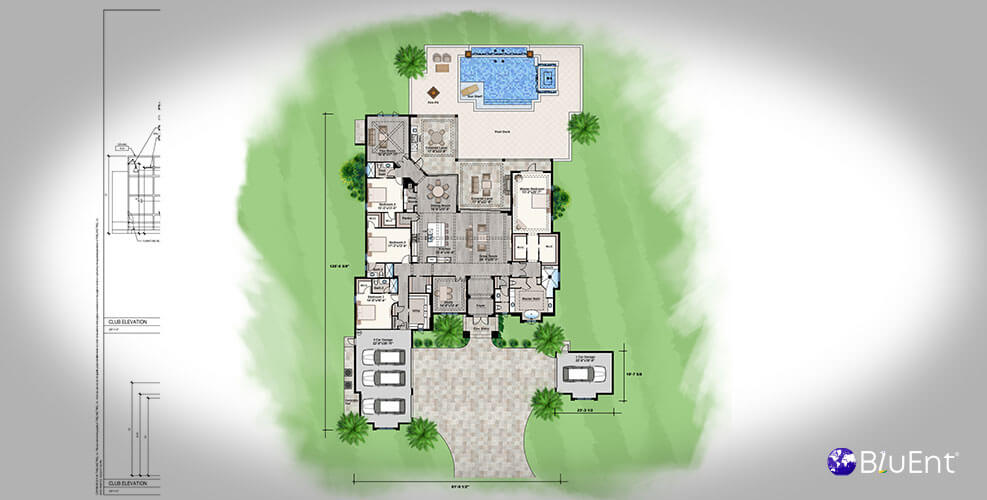

[CASE STUDY CONTENT REQUIRED] Case studies index is a Q4 tracker item. No client, project or result is claimed. See how a finding changed a project
Quick enquiry
Send the basics. The right next step can follow.
Read by someone who will look for what does not resolve, not a sales desk.
Where to go next
A conflict caught during detailing costs a query. The same conflict caught at installation costs a remake.
Answers
Request a project assessment
Scope, queries and an honest read on the schedule, before any commitment.
Scope and questions come back, not a template.





Connect with us!
Let's Talk
"*" indicates required fields