A bill of materials is organised around what gets built rather than around what gets priced. That single difference changes who can use it and what for.

A purchasing department buying from a trade-section list has to work out which sheet goes to which item. A production floor building from the same list has to do that work again.
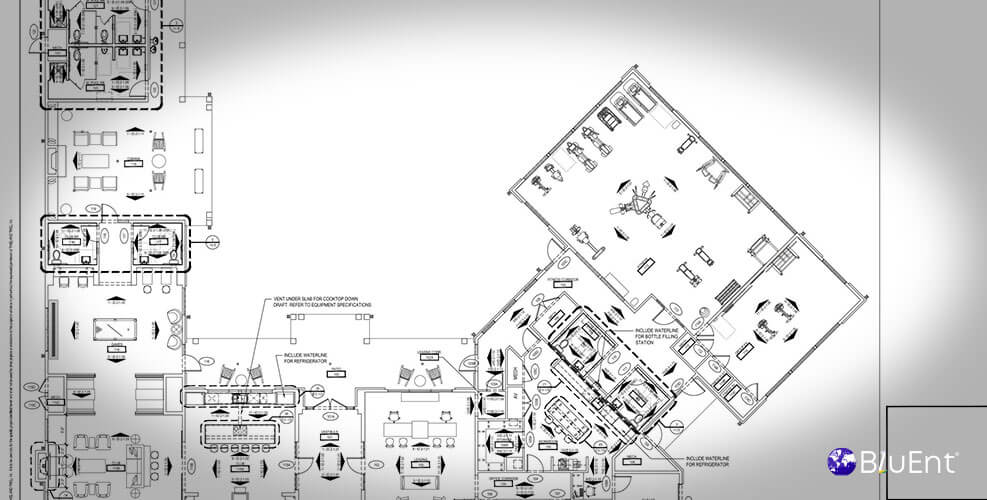
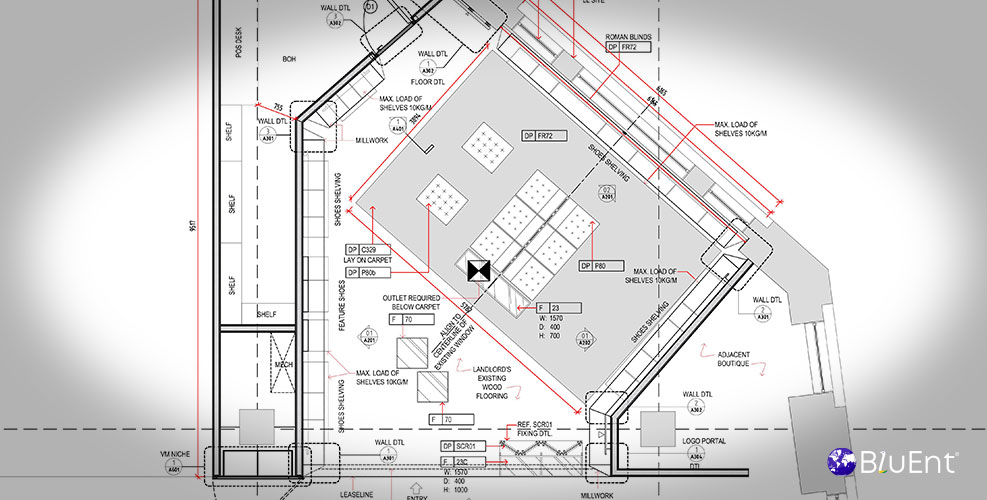
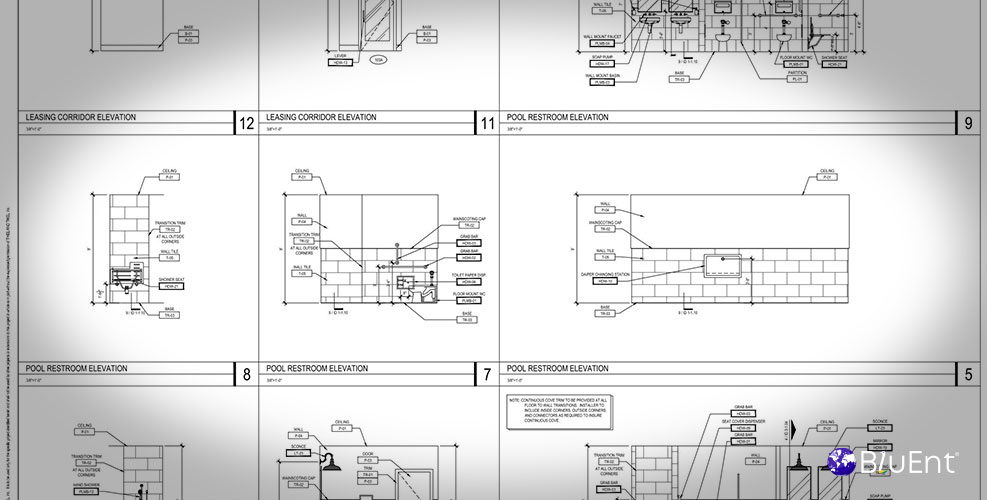
Both are reconstructing information the drawing already contained and the list threw away.
A BOM built from the drawings preserves it. The consequences are practical: fewer material shortages discovered mid-build, less over-ordering to cover uncertainty, and a purchasing record that reconciles against what was actually produced rather than against what was estimated.
They are produced from the same geometry and they answer different questions, and confusing them is a common and expensive error.
A bill of materials says what parts exist and what they are made from. It is a purchasing and production document.
A cut list says how those parts are obtained from the stock you actually hold. It requires your sheet sizes, your kerf, your trim allowances and your process, none of which a BOM needs.
They are frequently scoped together. They are never the same document.
A material take-off answers what has to be bought for a package. A BOM answers what each assembly is made from.
At bid stage the take-off is the useful document. Once the job is won and the shop is building, the BOM is. Most accounts that start with take-offs move here once the work converts.
Manufacturers running repeatable work where purchasing accuracy compounds across the year. Shops moving from informal material ordering to structured purchasing. Any operation producing the same item more than once, where the second build should cost less than the first.
Selected work
Both are reconstructing information the drawing already contained.
Answers
Send a bid package - free first take-off
Scope and questions come back, not a template.





Connect with us!
Let's Talk
"*" indicates required fields