

Millwork 3D and modelling services 3D modelling that exists to get the piece built.
There are two kinds of 3D in this trade. One sells the design. The other is how a curved, compound, mixed-material piece gets resolved before anyone cuts expensive material. This page is the second kind.
When flat drawings stop being enough
A straight run of casework doesn’t need a model. A casino bar sweeping through two radii with a solid-surface top, integrated lighting, a steel sub-frame and veneer-matched face panels cannot be honestly detailed in 2D – the intersections that will bite you don’t exist on any flat sheet. We model it first, in SolidWorks, and the drawings fall out of a geometry that’s already been proven.

What the model resolves before the shop does
- Compound curves and their veneer/laminate development – what actually wraps, where the seams land
- Intersections between materials and trades – the steel-to-wood junction dimensioned, not discovered
- Segmentation for fabrication and transport – where the piece breaks, how it rejoins, whether it fits the elevator
- Site tolerance strategy – scribes, reveals and adjustability designed in
- Machine data for the curved parts – because the model is the source
See also Mixed-Material & Fixture Detailing and Cut Lists & CNC-Ready Data.

What you receive
The full fabrication set derived from the model: plans, sections through every condition that matters, developed views of curved elements, assembly sequence sheets, and part-level data. The model itself is yours on request.
Where a client presentation helps, technical visualisation from the same model is available as a supporting output – but around here the render is the by-product; the geometry is the deliverable.
Send the complex piece
A fixed-price model and set.
Send the complex piece – fixed-price model & set
Selected work
Production models, resolved in 3D
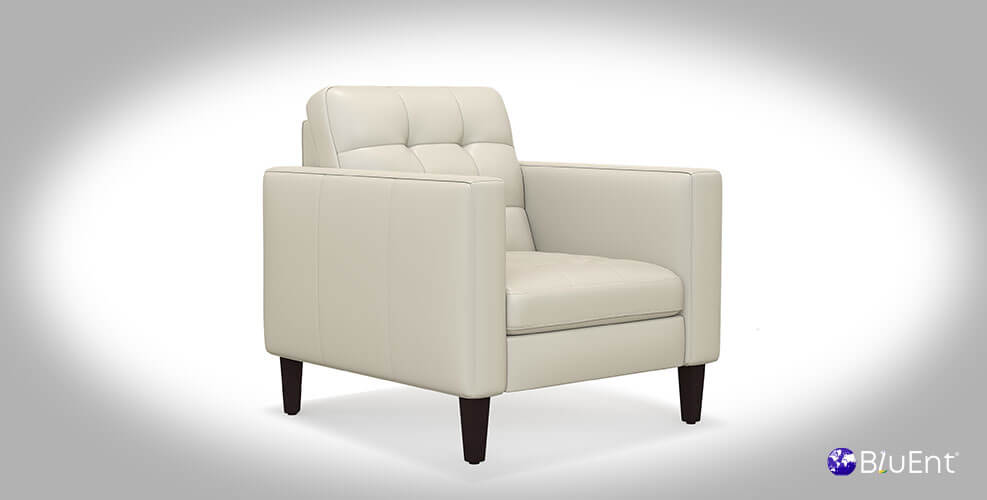
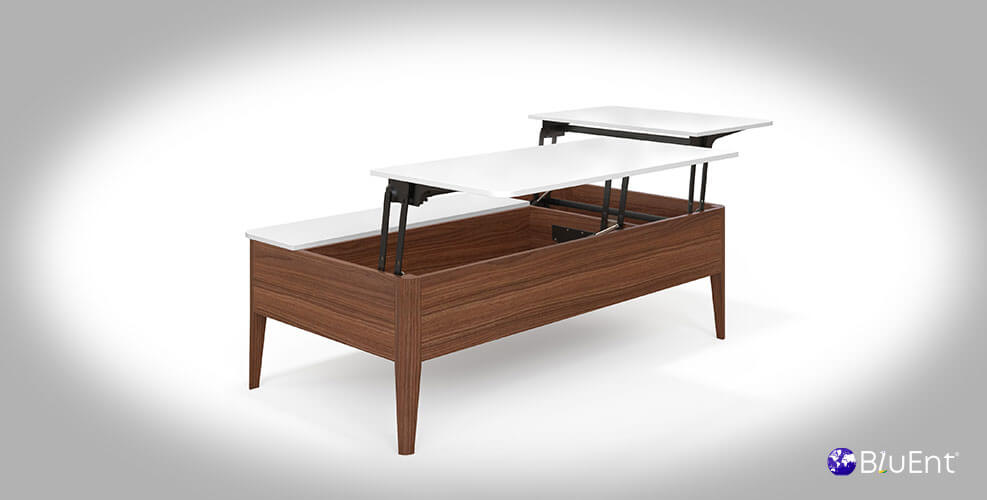
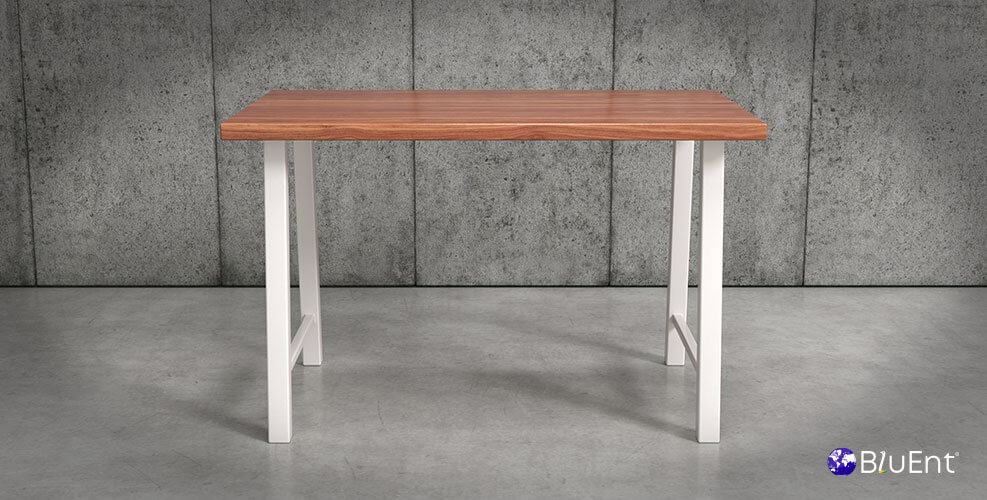
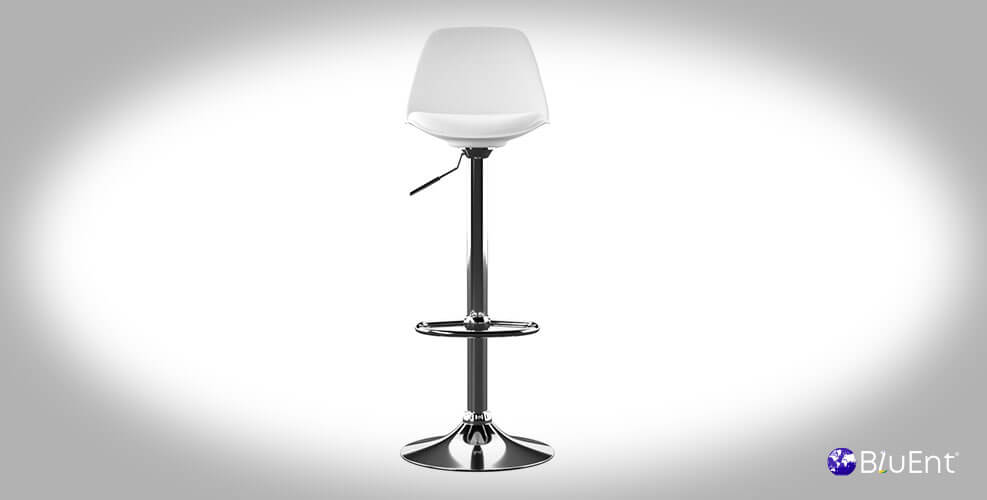
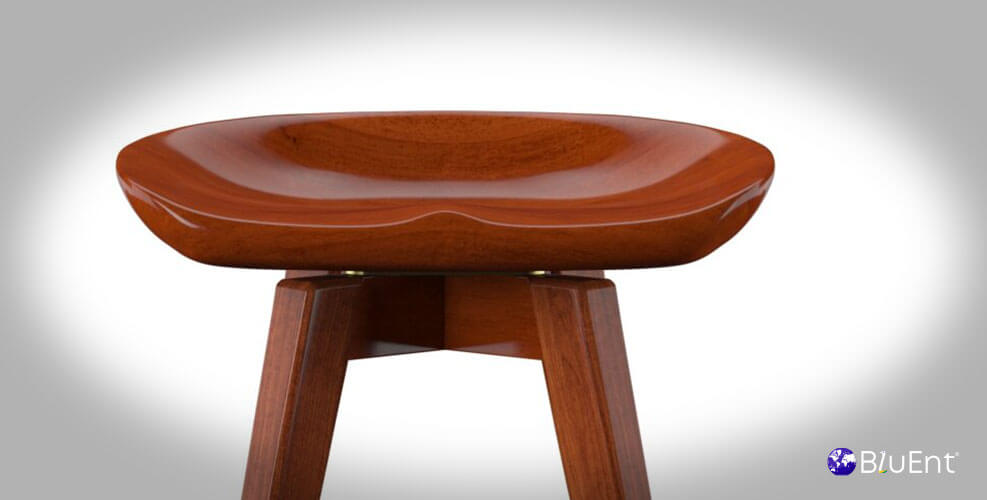
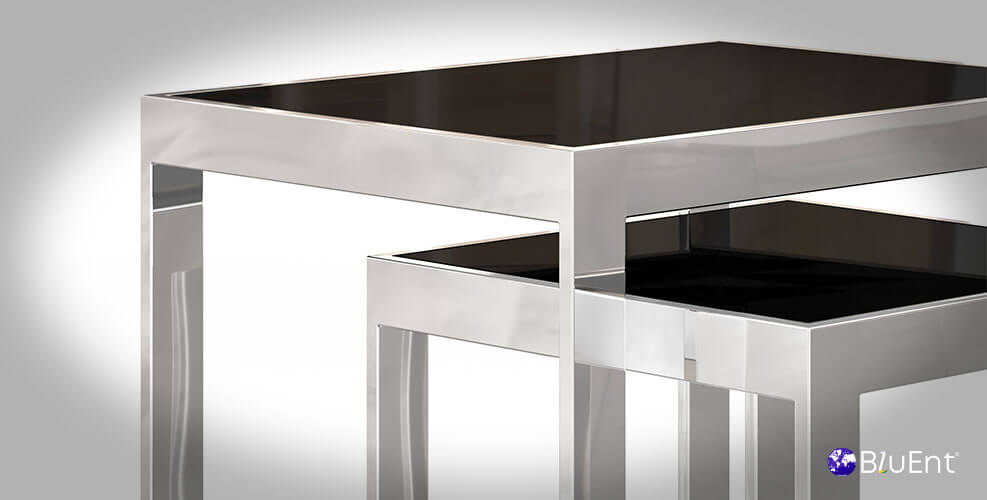
See how a complex item was modelled
Real project outcomes from BluEnt’s broader portfolio.
Quick enquiry
Have geometry 2D cannot resolve?
Send the basics. The right next step can follow.
Read by someone who models in SolidWorks, not a sales desk.
Where to go next
Related pages
Related services
Platforms
Before engaging
The geometry is the deliverable. The render is the by-product.
FAQ
Frequently Asked Questions
SolidWorks - why not just AutoCAD 3D?
Parametric assemblies, real material behaviour on curves, SWOOD’s wood-specific tooling, and clean paths to machine data. AutoCAD remains right for most flat work; complexity is where it stops being right.
Can you model from the architect's Rhino/design files?
Usually yes – design geometry comes in as reference and gets rebuilt as fabrication geometry. The rebuild is the value: design surfaces are rarely buildable as received.
Is this expensive?
It’s priced per piece like everything else, and it’s almost always cheaper than one wrong first attempt in solid surface.
Send the complex piece
Send the drawings. A read on whether 3D is worth it comes back honest.
Scope, queries and an honest read on the schedule, before any commitment.
- Production models built for fabrication, not for a camera position
- Interference and clearance checking before anything is cut
- One named contact, not a general queue
- Told plainly when 3D would add cost without adding certainty
Project enquiry
Scope and questions come back, not a template.