


Architect submittal and approval packages Permission to build, in fewer rounds.
A submittal is a commercial document wearing technical clothing. It is permission to build, and every round it comes back costs schedule that is very difficult to recover later.
What a review-ready package contains
- Cover sheet and index
- Project, section, submittal number and revision, with a drawing index the reviewer can navigate rather than search.
- Specification cross-references
- Placed at the points the reviewer will check, so compliance can be verified rather than assumed.
- Product data
- Cut sheets for specified hardware, materials and finishes.
- Schedules that close out
- Finish and material schedules reconciled against the specification, with nothing left as “as selected”.
- Declared deviations
- Each with a stated reason and an equivalence argument.
- Revision history
- A clear record of what changed and when.

How a reviewer actually decides
Architects and consultants reject submittals for a narrow set of reasons, and most of them are decided at assembly rather than at drawing.
- The package does not demonstrate compliance with a clause, so approval is impossible even where the intent is correct.
- A substitution appears without a request, so it reads as a unilateral change rather than a proposal.
- A schedule does not resolve, leaving a finish or hardware item unaccounted for.
- Fabrication detail is mixed into review content, generating comments on decisions the architect never owned.
- Revisions are not clouded or logged, so the whole set has to be re-read.
A package that just reproduces the architect’s own drawings with dimensions added is the most common first-submittal failure. The reviewer already knows what they drew. What they need to see is the proposal for building it.
Deviations and substitutions
Where a specified product is unavailable, uneconomic or unsuitable for the drawn condition, the correct move is to declare it with a reason and an equivalence argument. Drawing something else and hoping is how a package comes back.
Substitution requests are prepared as part of the package where you instruct it, with the comparison a reviewer needs in order to decide. Whether to request a substitution at all stays a commercial decision, and it stays yours.

Comments that are not drawing changes
A meaningful share of reviewer comments are questions, design-team decisions, or scope changes with a commercial consequence.
Those are separated and flagged back rather than absorbed silently. A comment that changes scope is a commercial event and should reach you looking like one.
Who this suits
Shops working to an approval date they cannot move. GCs whose millwork submittals are holding up procurement on an interiors package. Contract administrators who would rather receive a package that arrives reviewable.
Related: RFI handling and specification analysis.
Selected work
Featured Millwork Projects
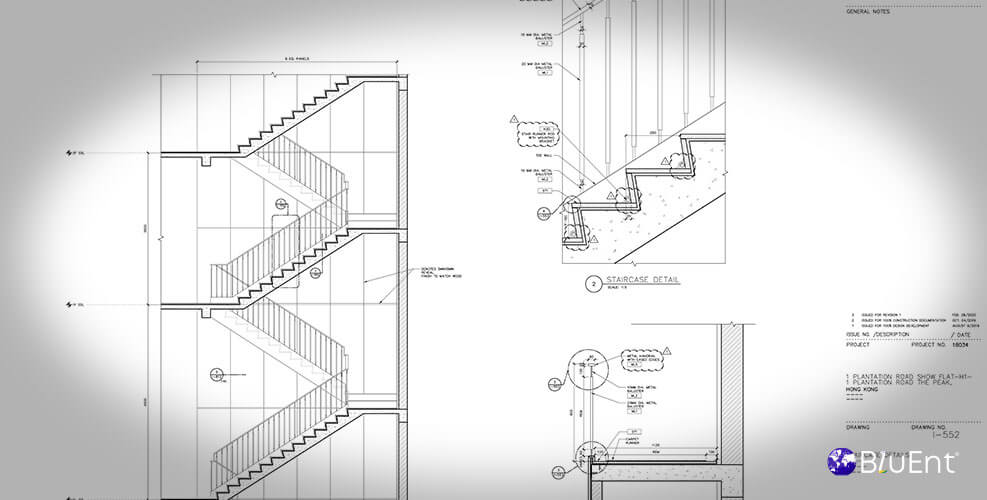
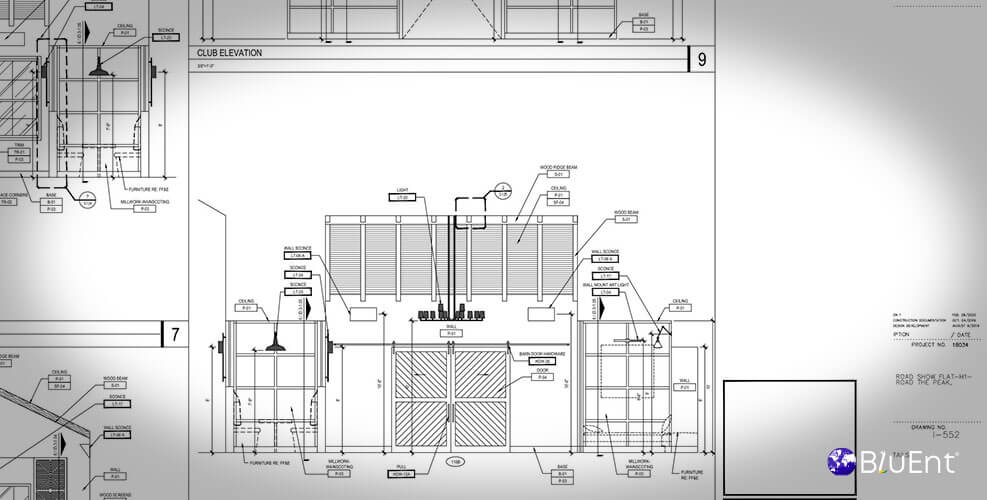
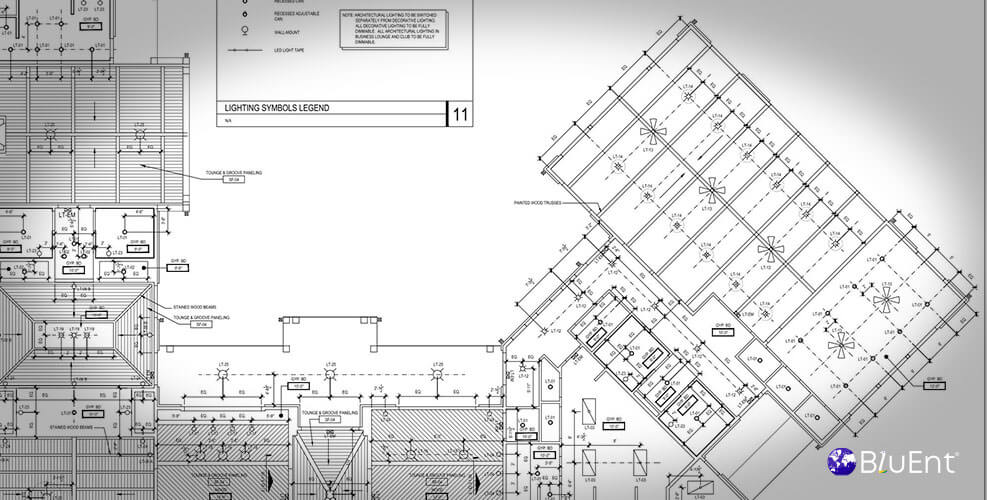
Drawing something else and hoping is how a package gets rejected.
FAQ
Frequently Asked Questions
Do you submit on our behalf?
No. Packages are issued to you in your format under your title block, and you submit through your own contractual route. The contractual relationship with the design team stays yours.
Can you prepare to a specific contract administration system?
The package is prepared to the format the project needs. Uploading into a client-side system is agreed case by case at scoping rather than assumed.
What happens when a reviewer returns comments outside the millwork scope?
They are flagged back with a recommendation rather than actioned silently, because scope questions carry commercial consequences that belong to you.
How many rounds should we expect?
That depends on the completeness of the design documentation more than on the detailing. We report the comment count and the recurring themes back to you, which is often useful information about the design team on that project.
Get a free drawing review
Send an existing submittal that came back with comments.
The reasons are usually visible in the package, and we will tell you what we find.
- Packages issued under your title block, through your own route
- Deviations declared with a reason and an equivalence argument, never buried
- Comments outside the millwork scope flagged back, not actioned silently
- One named contact, not a general queue
Free drawing review
Scope and questions come back, not a template.