


Revision and redline management The rounds nobody estimated.
Most shops estimate the first issue and absorb everything after it. The revision cycle is where the drawing budget quietly goes, and where projects lose weeks that never appear in anyone’s schedule.
What this covers
- Comment intake
- Reviewer comments received and interpreted, including handwritten and marked-up returns, and scanned sets that arrived as photographs.
- Triage
- Comments requiring a drawing change separated from those requiring a decision or an RFI.
- Incorporation
- Changes made and clouded so the reviewer sees only what moved.
- Revision control
- Revision history, clouds, delta tags and issue records maintained to your convention.
- Reissue
- The package returned in your format, under your title block.
- Closure tracking
- Open comments tracked to closure so nothing is lost between rounds.

Why round two costs more than round one
A first submittal is planned work. It sits in a schedule, someone owns it, and the hours were quoted.
A revision arrives unplanned, in the middle of something else, usually against a date the reviewer has already set. It gets done by whoever is free, and often by someone who did not draw the original set.
That is how revision drift starts. A change made on the elevation but not the section. A schedule updated but not the detail that references it. A resubmittal that generates new comments about things that were correct in round one.
Handling revisions through the team that produced the original set, with each change tracked against the original, is what stops that. It is unglamorous and it is the single most avoidable cost in the approval cycle.
Comments that are not drawing changes
A meaningful share of reviewer comments are not instructions to redraw. They are questions, decisions the design team has to make, or scope changes with a commercial consequence.
Those are separated and flagged back rather than absorbed silently. A comment that changes scope is a commercial event, and it should reach you looking like one rather than arriving as extra hours on a drawing.
How revisions stay tracked
Revision clouds and delta tags on the drawings, plus a revision log recording the issue date, the comment source and what changed. Your convention where you have one; a proposed scheme confirmed at scoping where you do not.
The log matters more than shops expect. On a package running to four or five rounds, it is the only reliable answer to “when did this change and who asked for it”.
Who this suits
Shops losing detailing hours to unplanned revision work. Project managers tracking approval across several packages at once. Any account where the approval cycle takes longer than the first issue did.
Selected work
Featured Millwork Projects
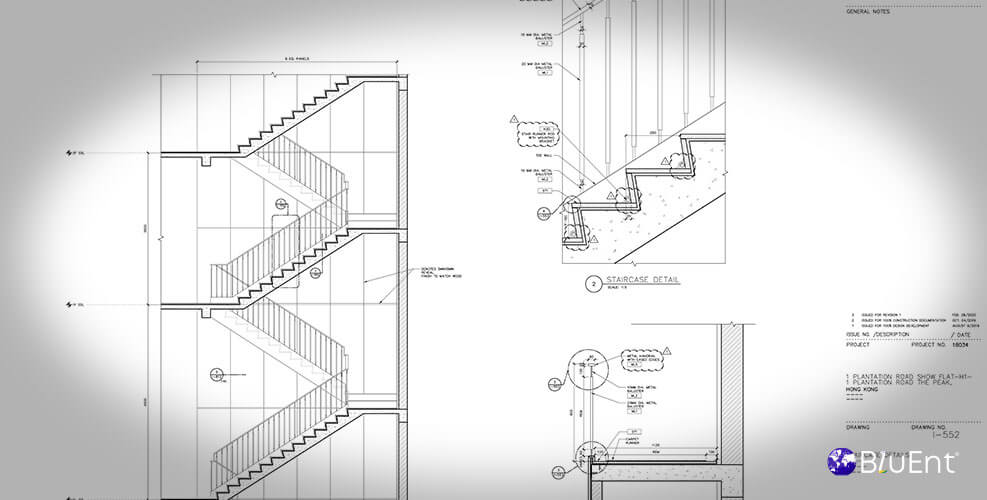
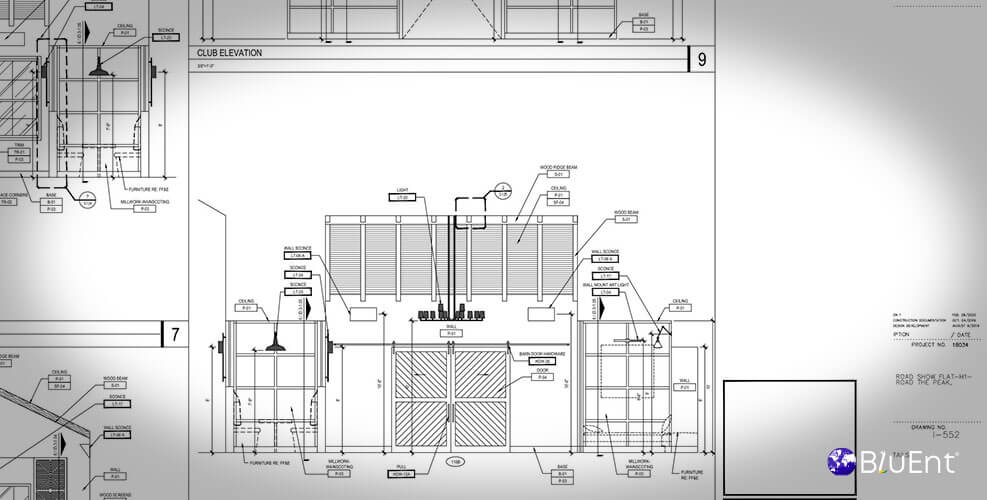
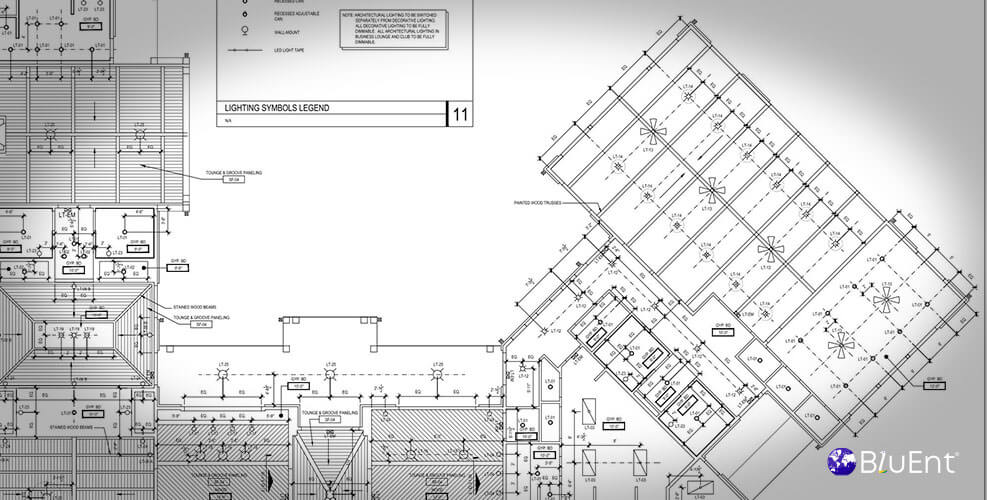
The revision cycle is where the drawing budget quietly goes.
FAQ
Frequently Asked Questions
Can you pick up revisions on drawings we produced ourselves?
Yes, though the first round takes longer because the set has to be understood before it can be changed. This is a common way accounts begin.
How are revisions tracked?
Revision clouds and delta tags on the drawings, plus a revision log recording issue date, comment source and what changed. Your convention is used where you have one.
What happens when a comment contradicts an earlier approval?
It is flagged rather than actioned. A contradiction between review rounds usually indicates a design change, which is a commercial matter for you rather than a drafting one.
Is revision work quoted separately?
Scope is agreed per package at scoping, like everything else. Turnaround on a revision round is quoted in calendar days against the comment volume.
Get a free drawing review
Send a set that came back with comments.
The reasons are usually visible in the package.
- Revisions handled through the team that produced the original set
- Every change tracked against the original, not against memory
- Comments requiring a decision flagged back, not absorbed silently
- One named contact, not a general queue
Project enquiry
Scope and questions come back, not a template.