


Millwork material take-offs What has to be bought, not what was drawn.
A material take-off answers one question: what has to be bought to build what is drawn. It sounds mechanical. It is not, because drawings are incomplete, materials come in fixed sizes, and the gap between what is drawn and what must be purchased is where the margin sits.
What is measured
- Sheet goods
- By type, thickness and finish. Plywood, particleboard, MDF, veneered and laminated panels.
- Solid stock
- By species, dimension and grade.
- Edge treatments
- Banding by type and length, applied solid edges, profiled edges, counted per edge rather than per part.
- Laminates and overlays
- By type and pattern.
- Hardware
- Counted against the drawings by specified type. Hinges, slides, pulls, locks, catches, supports and adjustable systems.
- Fasteners and consumables
- Where they are material to the price.
- Finish materials
- Where the scope includes finishing.

Drawn quantity is not purchased quantity
The gap between the two is the professional part of the work.
- Yield. A 1200mm panel cut from a 2440mm sheet leaves a remnant that may or may not be usable. Yield depends on the full cutting picture, not on any single part.
- Waste allowance. Different materials and processes carry different realistic waste. Applying one blanket percentage across everything misstates the cost in both directions at once.
- Grain and matching. Where directional grain or sequence matching is specified, the usable area of a sheet drops sharply and the purchase quantity moves with it.
- Minimum purchase. Materials come in units. Needing slightly more than one unit means buying two.
Measured quantity and purchase implication are reported separately, so you apply your own allowances rather than inheriting someone else’s.
Assumptions are stated, always
Bid documents are incomplete. That is their nature, not a fault.
Where a dimension is missing, a finish unresolved or a hardware item unspecified, the assumption is stated on the face of the take-off. Inclusions and exclusions are listed.
A take-off that hides its assumptions is more dangerous than one that has none, because it looks exactly like one that did not need any.
What you can do with the output
Price it. That is the point. The counting is real work and it is slow, but it is not the part that needs twenty years of knowing what a job actually costs.
Prices are not set, labour rates are not applied, and bids are not submitted. That boundary is deliberate. An estimate built on invented labour rates is worse than no estimate. Output is a structured spreadsheet, in your template where you have one.
Who this suits
Estimators covering more opportunities than their hours allow. Purchasing managers who need a defensible buy list rather than a total. Shops that keep declining bids they would have won.
Selected work
Featured Millwork Projects
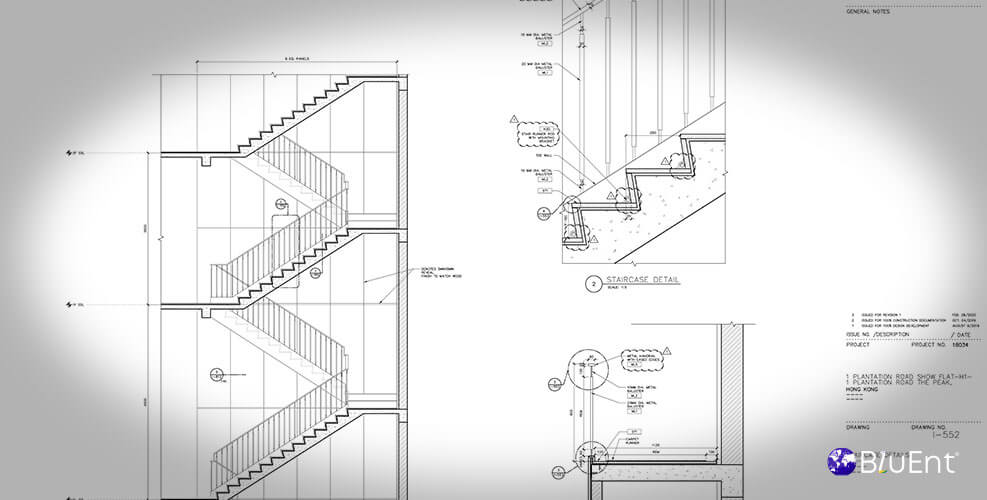
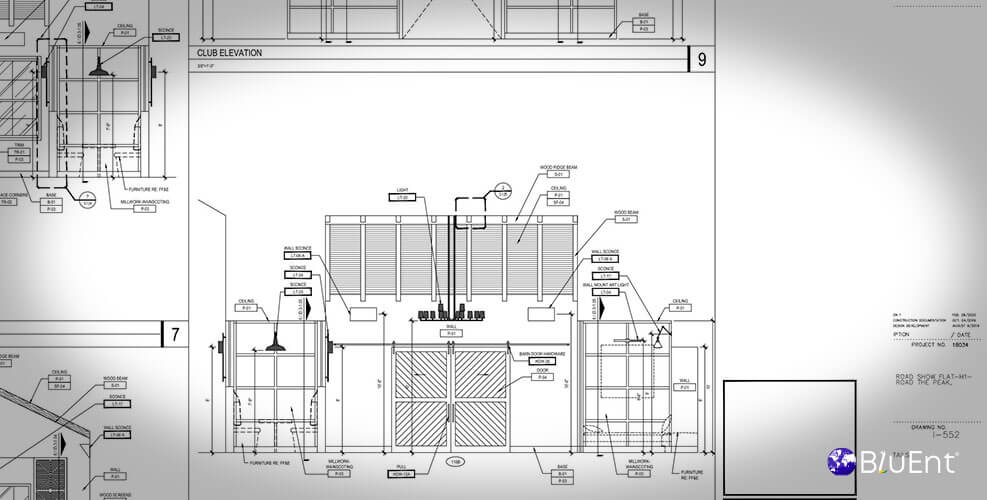
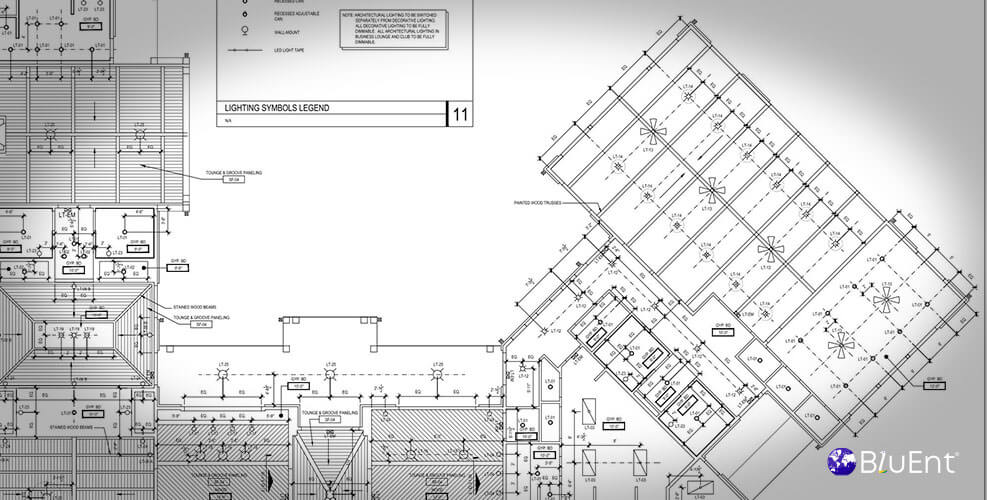
The difference between what is drawn and what must be purchased is where the margin sits.
FAQ
Frequently Asked Questions
Can you take off from incomplete bid drawings?
Yes, with the assumptions stated on the face of the document. That is the normal condition of bid documents rather than an exception.
Do you apply waste percentages?
Measured quantities are reported, and your allowances are applied where you supply them. Allowances are not invented, because they are specific to your shop, your material and your process.
What format is the output?
A structured spreadsheet by default, in your template where one exists. The item and assembly structure follows the drawings so quantities can be traced back.
Do you price the work?
No. Quantities and structured documents are produced. Pricing stays with your estimator, where the commercial judgement belongs.
Send a bid package – free first take-off
Send one live bid package.
Compare the take-off against what your estimator would have produced, on work you already know.
- Assumptions stated on the face of the take-off, never hidden
- Waste and yield reported separately from measured quantity
- Structured spreadsheet output, in your template where one exists
- One named contact, not a general queue
Free first take-off
Scope and questions come back, not a template.