


Div 06 40 00 bid packages The argument is always about the boundary.
Division 06 40 00 covers architectural woodwork, and the arguments about what belongs inside it are where millwork bids are won and lost. A package that assumes the boundary rather than establishing it will be either too high to win or too low to build.
What the package contains
- The identified scope
- Established against the specification and the drawings together.
- Measured quantities
- For that scope, with the basis stated.
- Explicit boundaries
- What is included, what sits in an adjacent section, and what is genuinely ambiguous. Three categories, not two.
- Cost-carrying specification requirements
- Grade, materials, matching, finish, testing, mock-ups and any quality programme obligations.
- Addenda
- And their effect on scope and quantity.
- Allowances and provisional items
- Identified separately rather than absorbed into rates.
- Stated assumptions
- Wherever the documents do not resolve.

Where the boundary actually moves
These are the six places a millwork scope argument usually starts. Every one of them is reported explicitly rather than decided quietly.
- Casework versus equipment. Laboratory and healthcare projects routinely place casework partly in the equipment sections. The same cabinet can appear in two divisions or in neither.
- Countertops and surfaces. Solid surface, stone and specialty tops move between sections depending on who wrote the specification.
- Hardware. Some hardware is specified in the finish hardware section rather than with the woodwork, and it is easy to price twice or not at all.
- Finishing. Whether shop finishing sits in Div 06 or in the finishes division changes the number materially.
- Installation. Sometimes carried by the woodwork scope, sometimes by the general contractor, and rarely stated as plainly as either party assumes.
- Blocking and substrate. Frequently disputed, and frequently unpriced by everyone in the chain.
Where the documents do not resolve a boundary, that is a bid qualification, not a silent assumption. It reaches you as something to decide.
Why the specification is read alongside the drawings
A quantity taken purely from drawings will miss the grade requirement, the matching obligation, the mock-up and testing requirements, and any quality programme conditions. All of those are cost, and none of them is visible on an elevation.
This is why a Div 06 40 00 package is produced with specification analysis rather than as a pure measurement exercise. The two documents disagree often enough that reading either alone is guesswork.
06 40 00 and 06 41 00
Worth separating, because misclassifying the two leads to the wrong standard, the wrong detail depth and, eventually, a rejected submittal.
06 40 00 architectural woodwork is fully custom work, designed and fabricated for one project.
06 41 00 custom cabinets covers cabinet units that are configured rather than designed from raw material.
Which one governs decides the standard applied, the drawing depth expected and the grade obligations that follow. The classification is confirmed against the specification before anything is counted.
Who this suits
Millwork shops bidding institutional, healthcare, education and commercial work. General contractors levelling millwork bids who need an independent basis rather than three numbers built on three different assumptions. Estimating teams covering more opportunities than their hours allow.
Selected work
Featured Millwork Projects
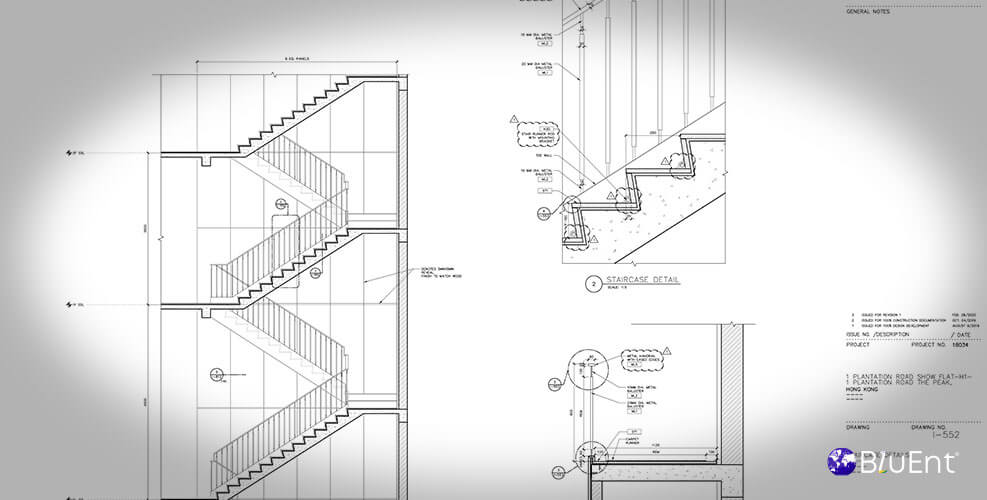
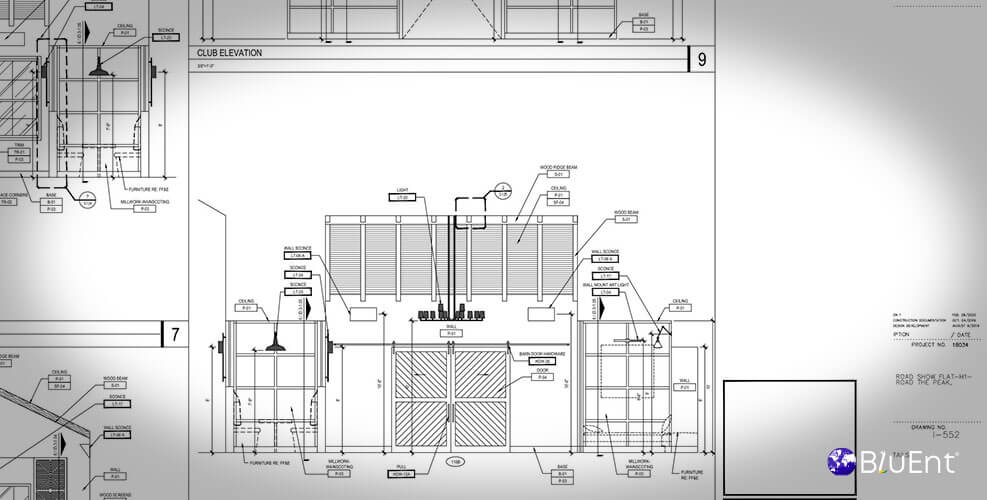
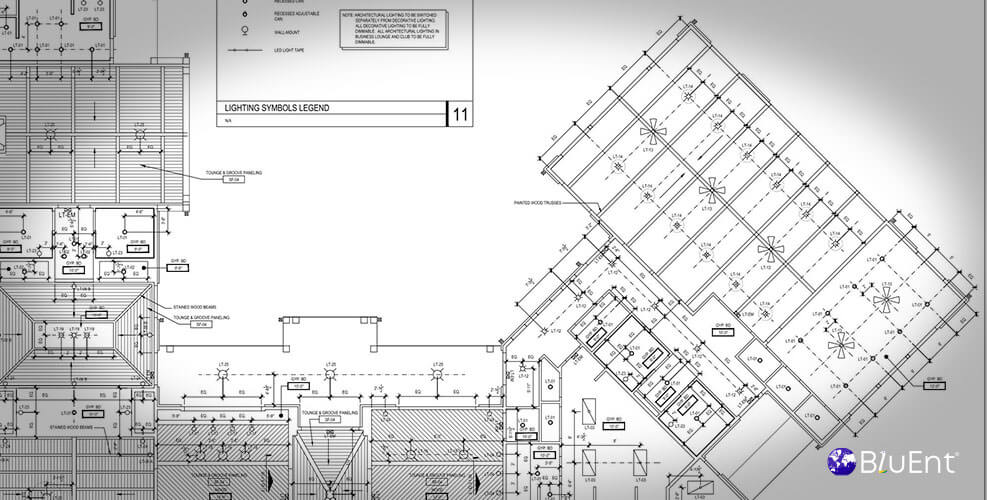
A bid package that assumes the boundary will be either too high to win or too low to build.
FAQ
Frequently Asked Questions
Is Div 12 30 00 covered as well?
Manufactured casework in Div 12 30 00 is frequently entangled with Div 06 40 00 and is addressed where it affects the scope boundary. Whether it is formally in scope beyond that boundary is confirmed at scoping.
Do you produce the bid qualification letter?
The qualifications arising from the documents are identified and handed to you. Drafting and issuing the qualification is your commercial decision, because it carries consequences that are yours.
How are addenda issued during the bid period handled?
Incorporated, with their effect on quantities and scope reported. Late addenda are flagged immediately rather than absorbed, because they usually move a date as well as a number.
What if the boundary is genuinely ambiguous?
It is reported as ambiguous. Three categories are used, not two: included, adjacent section, and unresolved. The third is where bid qualifications come from.
Send a bid package – free first take-off
The scope boundary and the cost drivers come back before you commit to a number.
- Every scope boundary reported explicitly, never silently assumed
- Specification read alongside the drawings, not a pure measurement exercise
- Addenda incorporated with their effect on scope reported
- One named contact, not a general queue
Project enquiry
Scope and questions come back, not a template.