Remember when digital transformation meant moving from hand-drawn blueprints to AutoCAD? That shift felt monumental. Lines became clean, erasers obsolete, and you could copy-paste in seconds.
Your competitor just secured another major UK project. Meanwhile, your CAD to BIM conversion is stuck in revision hell.
New data center construction demand is soaring globally with forecasts projecting nearly 100 GW of new capacity by 2030.
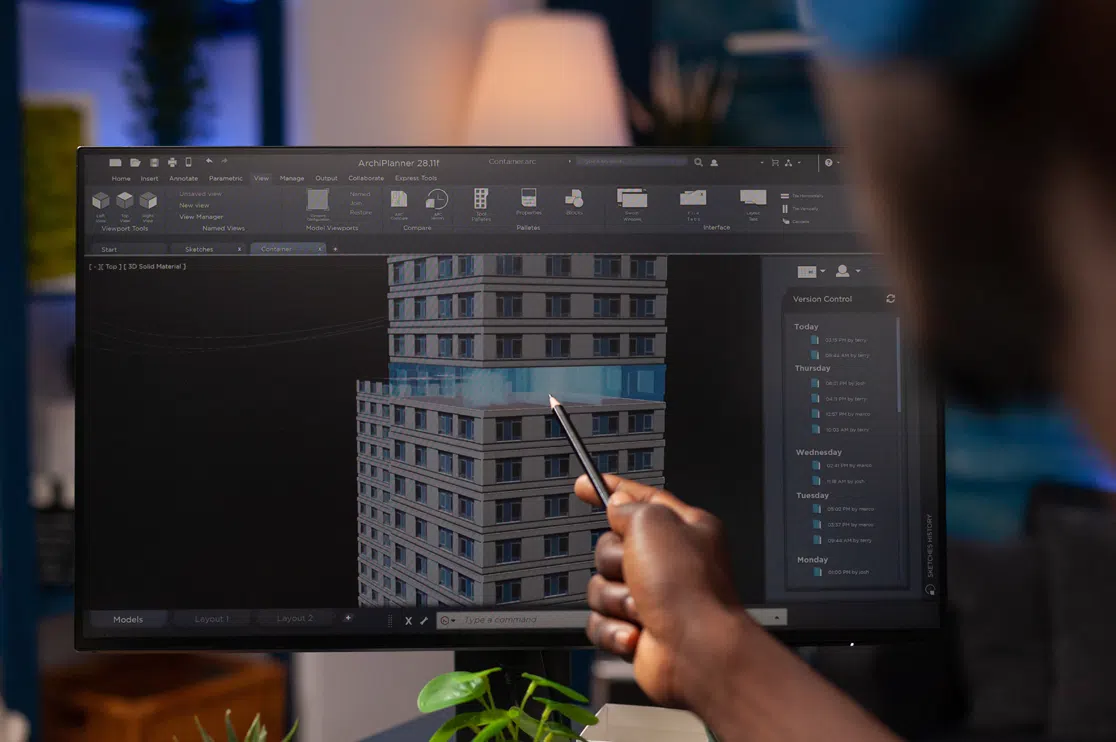
Hand sketches to CAD to 3D to BIM … and now what’s next in the AEC industry? It’s BIM 2.0.
Building information Modeling has been continuously evolving since its inception and has proved to be a game changer for the AEC industry.
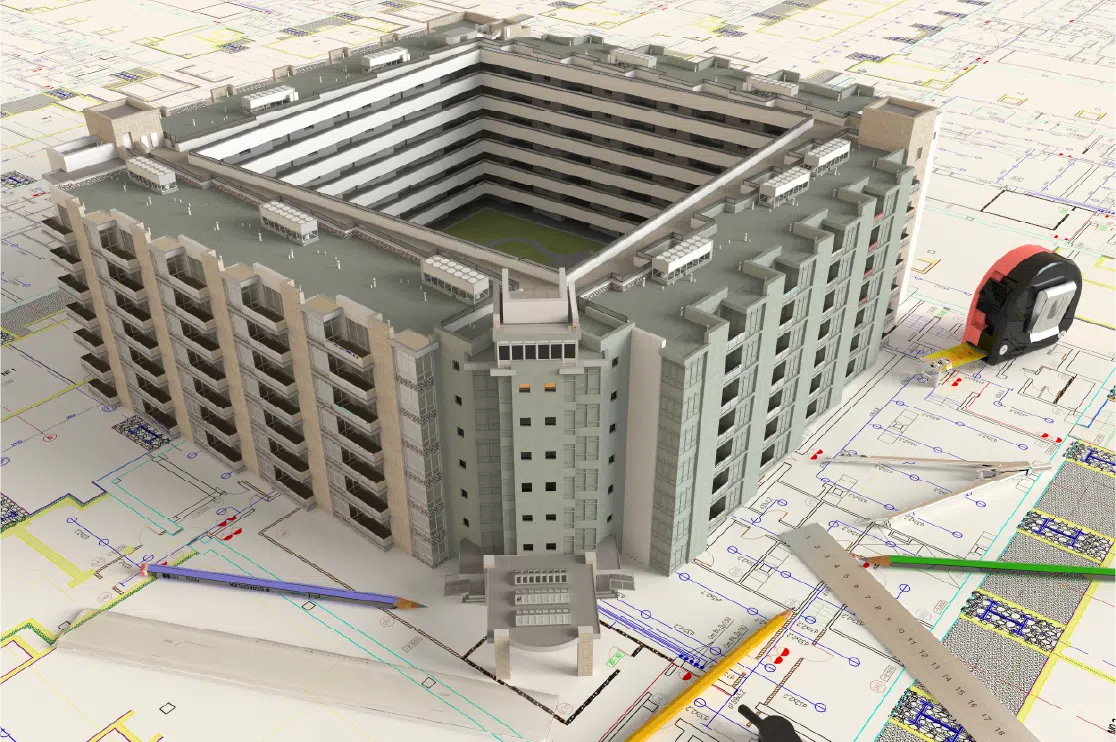
If you’ve been around construction long enough, you’ve probably heard of Building Information Modeling (BIM). It’s the trusty 3D modeling tool everyone leans on.
Let’s face it—construction delays and budget blowouts are the industry’s worst-kept secrets. And these are bound to happen despite careful planning.
Growing at a CAGR of 13.6% Building Information Modeling (BIM) is now being widely adopted globally, in both developed and developing countries.
Architects are happy as BIM has greatly improved the design quality, and reduced error to almost 90% while enabling the creation of smarter, sustainable, and highly collaborative environments.
If you lead a preconstruction department, you must collaborate with quantity surveyors, cost estimators, and contractors for project budgeting, planning, safety, and timely delivery. BIM modeling services are essential for high-value projects.
Connect with us!
Let's Talk
"*" indicates required fields