




Generative design sounds like an exciting topic from a sci-fi movie, but the fact is that is actually a practical tool changing how we build today.
For instance, after designing a CAD model you want to add some natural light to it, cut down the material costs, improve traffic flow in the lobby or precisely make any structural changes, through this tool you can get it by receiving hundreds of design options that meet the commands rightly.
Especially for the professionals in the U.S. be it the interior designers, furniture manufacturers, or a contractor, this is not just futuristic talk. It is a real tool starting to shape workflows, cut down on errors and open new creative doors. And it works right alongside the data-rich models you may already be using, like BIM.
This is the power of generative design.
Table of Contents:
What is Generative Design Really?
Generative design is similar to having creative partner that works 24/7 by side. Instead of manually drawing every wall or piece of furniture, you simply tell the software what you need.
This approach blends smart algorithms with real-world limits, speeding up your workflow without sacrificing creativity. Industry research shows firms using generative design cut iteration time by up to thirty percent while exploring more possibilities. You pick the designs that fit your vision, and the software handles the rest.
Combining Generative Design with BIM Data
When generative design meets Building Information Modeling (BIM), things get really exciting. BIM models are packed with real-world data like not just wall types, but materials, costs, and connections. Apply generative design to that, and you’re working with practical intelligence from the start.
AI can analyse your BIM data to uncover smart optimizations, like moving a wall two feet to cut material waste by fifteen percent.
The result?
Designs that are both creative and grounded in reality with fewer surprises for contractors, and beautiful, buildable spaces for designers.
Recommended Reading:
Real World Applications in Workplace, Healthcare and Sustainable Design
Let’s look at how this technology is being applied in specific project types that matter to you.
Workplace Design
Office layouts are evolving fast. Generative tools help you design flexible spaces by analyzing movement patterns and spotting bottlenecks before construction. Furniture manufacturers can test configurations digitally, ensuring layouts look great and function perfectly. Beyond spatial planning, generative design can also optimize HVAC zoning, syncing airflow and temperature control with real-time occupancy patterns to enhance energy efficiency and comfort.
Healthcare Facilities
Hospitals demand efficiency and safety. Generative design runs thousands of simulations to balance staff movement, patient privacy, and infection control. Millwork firms can tailor cabinetry to actual workflows like medication rooms designed for real-world use.
Sustainable Design
Sustainability goals meet smart design. Software analyses sun exposure and suggests window placements that cut energy use by up to 20%. Contractors build high-performance spaces, while designers create comfortable, light-filled interiors that clients love.
This Matters for Millwork and Furniture Manufacturing
Smarter Models, Less Rework
When designers use computational BIM, you receive models with details like clearances and installation constraints already built-in. Parametric tools let you create adaptable product lines, a cabinet family that automatically adjusts width or finish per project, saving hours of redrawing.
Better Placement, Fewer Errors
Occupant flow analysis simulates how people move through spaces, revealing where casework and furnishings will be most useful. Shop drawings update automatically as designs evolve, reducing mistakes and ensuring what you build matches exactly what was designed.
Direct to Fabrication, Faster Delivery
Linking generative outputs directly to CNC machines or fabrication software is the next step for efficiency which is also a seamless transition from BIM models to automated production. This machine-readable feed eliminates manual setup, prevents translation errors, and turns parametric designs into physical components without delay. The result is less rework, fewer errors and a straight line from smart model to finished product.
Recommended Reading:
How BluEnt Can Help You Embrace Generative Design
You have projects to deliver and no time to master every new tool? At BluEnt, we know adopting new tech can feel overwhelming. That’s where we help.
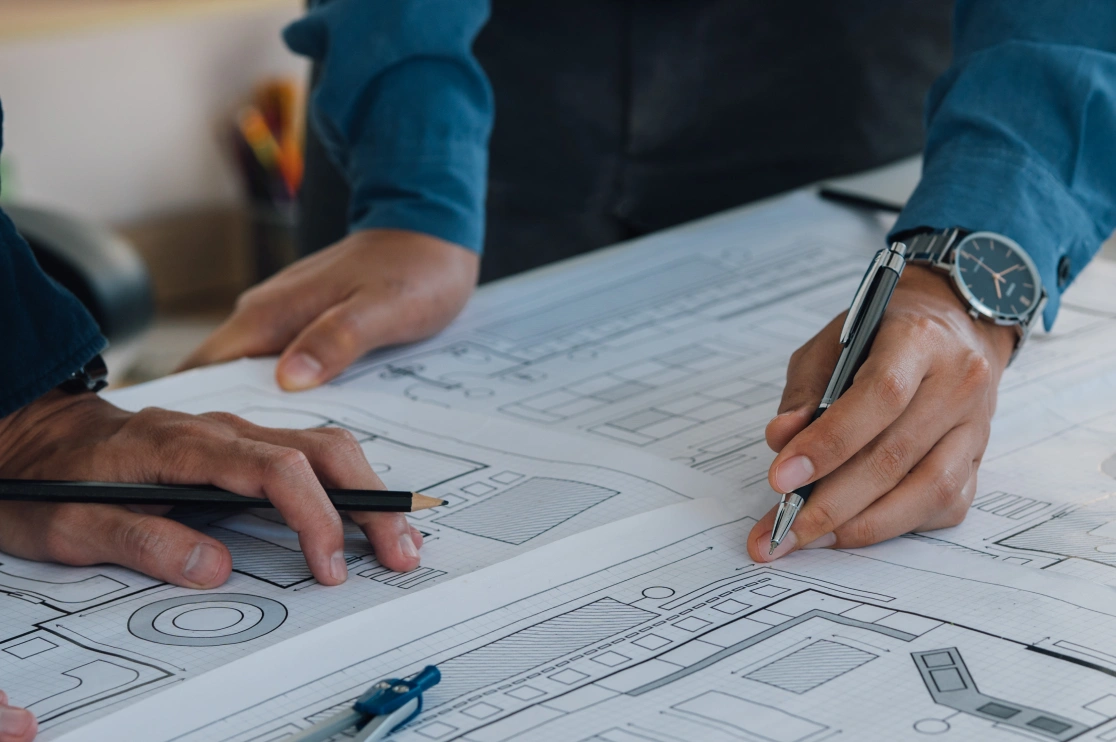
For over 20 years, we’ve supported U.S. architecture, construction, and manufacturing pros with expert BIM and generative design services across platforms like Revit, SolidWorks, and Chief Architect.
-
We create smart millwork models including intelligent Revit families and SolidWorks models with complete subassemblies, cut lists, and part drawings ready for fabrication.
-
Our parametric furniture design helps you develop adaptable product lines that auto-adjust to project specs, saving hours of redrawing.
-
You get construction docs you can trust with accurate, code-compliant drawings that coordinate with other building systems.
-
We also provide photorealistic renderings to help clients visualize furniture in their space before anything is built.
-
And we offer end-to-end support from single projects to long-term partnerships, helping you adopt new tech and deliver better work faster.
Frequently Asked Questions FAQs
What is generative design architecture in simple terms?Generative design is like a smart assistant for architects. You set your goals, and the software creates dozens of layouts for you to choose from.
How is AI used in BIM?AI in BIM acts like a smart helper: it spots problems, suggests better designs, and handles repetitive tasks for you.
What is the difference between parametric design and generative design?The major difference is that parametric design lets you change one element and related ones update automatically, while generative design takes your goals and automatically creates new design options.
How can generative design help with building layout optimization?Generative design software can test hundreds of layout options quickly. It considers factors like sunlight, material efficiency and more to find layouts that work best for your specific project.
Is generative design useful for small projects?Yes, it is very useful. While it is powerful for large complex buildings, generative design can also help with smaller projects like office fit outs, retail spaces or residential interiors. Any project with multiple competing priorities can benefit.







 Do You Really Need a BIM Execution Plan for Every Construction Project?
  Why Choose BIM for Educational Facilities and School Construction and Management Projects?
  Point Cloud to BIM or CAD: Which Workflow Is Right for Brownfield Facility Projects?
  Biggest BIM Mistakes That Cause Construction Projects to Fail and How to Avoid Them