



Quick Summary
Restaurant chains face the challenge of maintaining the same millwork quality and brand look across every new location. As locations grow, differences in site conditions, fabricators, materials, and installation can create costly delays and rework. Discover seven ways structured millwork drafting helps restaurant chains standardize production, control waste, speed rollouts, and maintain consistency.
Opening one restaurant is very different from opening a chain of 20, 30 or even 50 restaurants nationwide or even globally.
The challenge is to keep the design consistent while adapting it to different buildings, dimensions, contractors and of course, site conditions.
Good machinery gives you a boost, but to reduce costly wastage and boost efficiency you need consistent millwork quality that helps you meet rollout timelines and offers best guest experience.
This is where millwork drafting services for restaurants become important.
Think of it this way: The designer decides what the restaurant should look like. The millwork drawing explains how that design should actually be built. And when that same design has to be repeated across multiple locations, accurate drafting becomes even more important.
Explore why investing in millwork drafting services changes the bottom line of restaurant chains.
Table of Contents:
What Can Happen When Restaurant Chains Overlook Millwork Drafting?
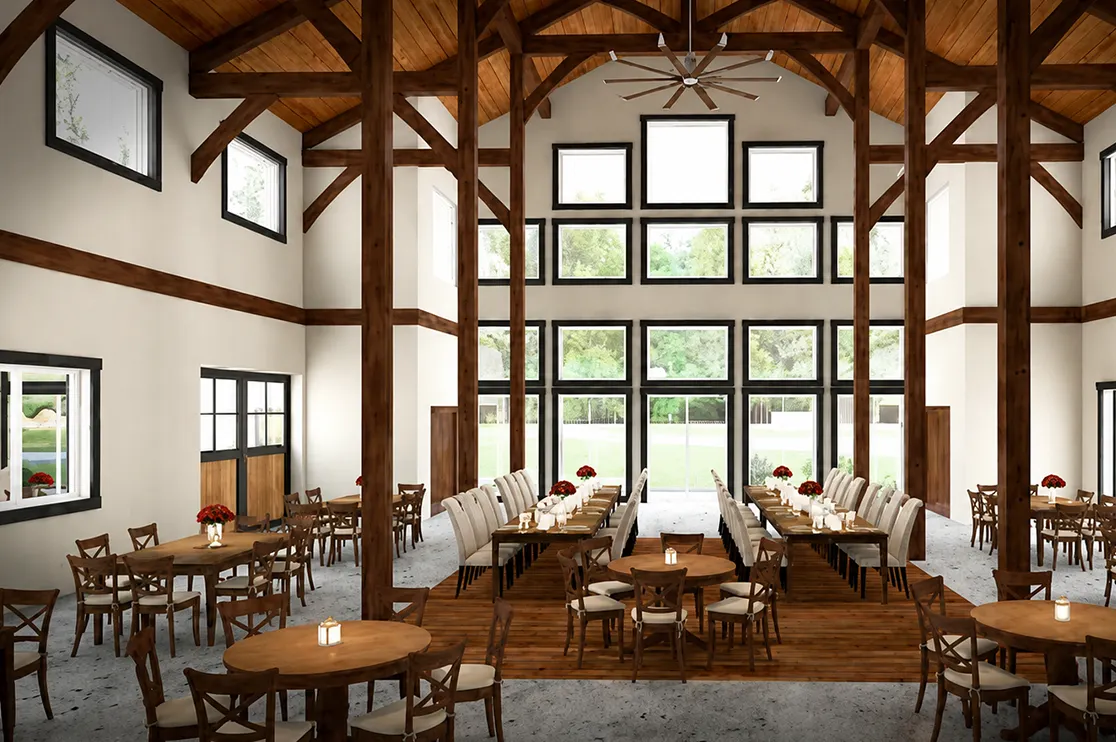
Millwork drafting helps you with shop-ready blueprints needed to build custom woodwork, counters, bars, and seating for eye-catching hospitality interiors. Skipping them would mean leading to severe operational, financial and sometimes legal consequences.
The project can quickly derail. Here’s how.
Dimension and Spatial Misfits
A restaurant chain may have a standard millwork design that works perfectly in one location. When the same design moves to another site, actual site conditions can change the dimensions.
Example:
One of our clients from the Toronto (GTA) area was expanding their restaurant chain. Their standard millwork drawings already defined the reception counter, including its dimensions, materials, and construction details.
The standard reception counter was designed for a 10-foot wall. At the proposed location, the available wall length was only 9 feet 8 inches because of an existing structural column.
The fabricator manufactured the standard counter without rechecking the site conditions, and the counter did not fit. This led to material waste and costly rework. The client then brought in Rohit Shankar, AVP Engineering, BluEnt and his team to rework the shop drawings for that specific location.
Approval Delays and Revisions
Restaurant projects involve multiple stakeholders such as architects, contractors, interior designers, fabricators, owners etc. When millwork details are unclear, every missing detail can create another round of questions, RFIs and revisions.
More revision cycles will result in delayed fabrication and pressure on the installation teams and opening schedule.
Loss of Brand Consistency
Restaurant chains rely on a consistent visual identity across locations. The bar, counters, seating, wall panels, and other millwork should reflect the same design standards.
Without detailed millwork documentation, different woodwork fabricators may interpret the same design differently.
Example:
Suppose a restaurant chain uses three local fabricators for three new locations.
The design shows a particular wall panel system, but the construction details are unclear.
Fabricator A uses one joint detail.
Fabricator B uses a different edge profile.
Fabricator C makes changes during installation because the drawing does not provide enough information.
All three restaurants follow the same overall concept, but the finished millwork looks different.
Overall brand experience is badly hit.
Legal and Safety Violations
Counters and bars may fail height rules for disabled guests, which results in ADA non-compliance. Without detailed and poorly coordinated drawings, builders might use non-rated woods near hot kitchen equipment. Thus, resulting in risk of fire hazards.
Indeed, the inspections shall fail and local officials will halt openings over uncertified layouts.
Communication Chaos
Millwork sits between design and manufacturing. When the technical information is incomplete, every stakeholder may interpret the design differently.
This also results in bidding confusion. Contractors guess pricing without exact drawings, leading to disputes. Architects, builders, and owners will blame each other for errors.
Reasons Restaurant Chains Invest in Professional Millwork Drafting Services
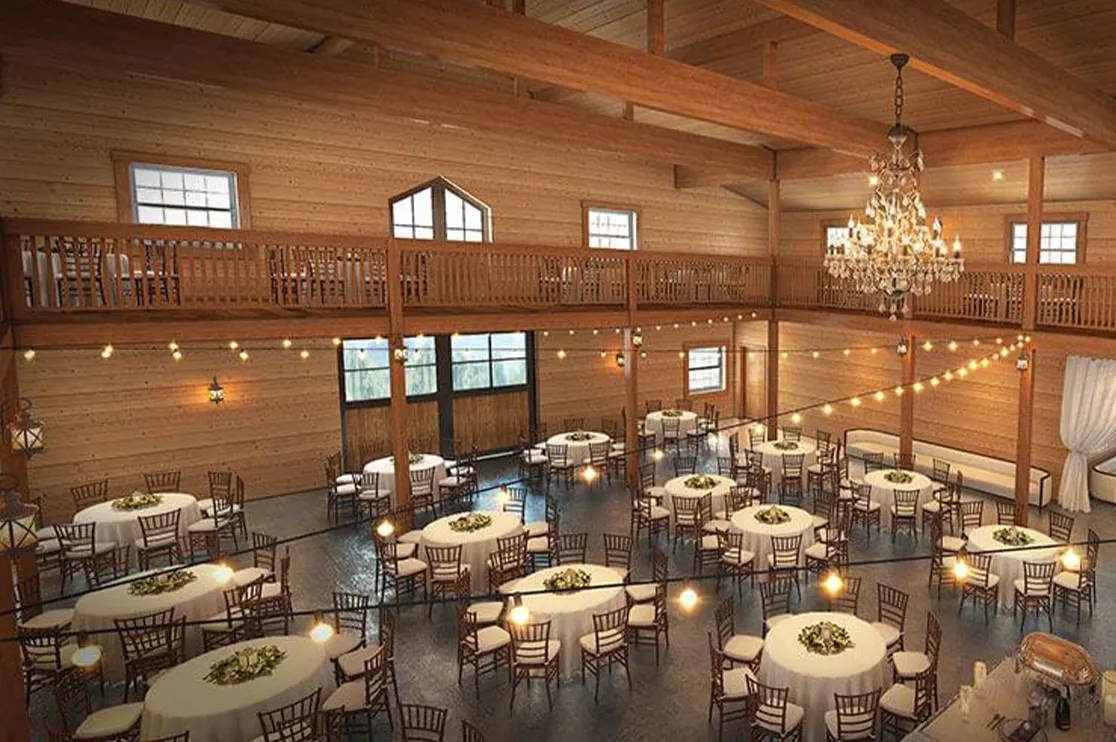
Investing in professional millwork drafting services (CAD or BIM based) is the most effective way to solve scaling friction. This ensures your brand assets look identical whether a customer visits your first location or your fiftieth.
Here are the 7 big reasons restaurant chains rely on professional millwork drafting to maintain quality and meet aggressive rollout timelines:
Standardized Documentation for Repeatable Manufacturing
Professional draftsmen create a single, definitive digital master plan for every custom booth, bar, and counter. This standard millwork package gives a restaurant chain a repeatable starting point for future locations. And how a millwork drafting studio helps restaurant chains:
-
Universal formats: Blueprints use industry-standard CAD or BIM files that any manufacturer can read.
-
Flawless duplication: Shops replicate complex woodwork identically across different regional fabricators.
-
Material specifications: Clear callouts ensure the exact same wood species, laminates, and hardware are used everywhere.
Example:
One of our long-standing clients, a fast-casual restaurant chain based out of Austin, has worked with us across multiple new locations over the years. We created a single master millwork package for their reception counters, seating, and custom casework, which their regional fabricators could follow consistently regardless of location. This let the brand maintain the same design language and material specifications across every new opening, without each fabricator interpreting the drawings differently.
Faster Approvals Keep the Rollout Moving
Hospitality projects, especially restaurants, are very critical to opening dates. All marketing has been done. Even a delay of a single day will cost them not just money but brand image as well.
Vague submittals, inaccurate and incomplete millwork drawings stall construction and delay your opening dates. Professional millwork drafting services for restaurant chains ensure:
-
Code compliance: Professional drawings proactively integrate local health, ADA, and fire safety codes.
-
Detailed submittals: Landlords and city inspectors receive clear section views and material data sheets.
-
Reduced revisions: Clear documentation slashes the time spent in tedious back-and-forth approval loops.
For Example:
One of our clients from Texas relied on us for engineering-ready millwork shop drawings across their new locations. Our detailed blueprints mapped out architectural layouts along with ADA-compliant counter heights with exact accuracy, which meant mall landlords and city inspectors could review submittals without back-and-forth. This helped the client avoid multiple rounds of RFIs and kept their rollout on schedule.
Faster Multi-Location Rollouts
Once standard components are properly documented, the drafting team can reuse them. Detailed drafting moves your project from the design phase to the fabrication floor much quicker.
-
Parallel processing: Multiple fixtures can be manufactured simultaneously at different shops using the same drawings.
-
Pre-fabrication readiness: Drafts allow shops to order materials and start cutting before the physical site is even ready.
-
Predictable schedules: Eliminating design guesswork keeps your grand opening timeline entirely on track.
For Example:
For one of our clients, a growing quick-service chain with locations across the Midwest, we finalized the millwork submittals for their service counters and assembly line units (LOD 350 and 400) well before groundbreaking on each new site. This let their regional fabricators start CNC cutting and pre-assembling components in parallel with site construction, instead of waiting for the site to be ready first. It actually helped them roll out on schedule across multiple simultaneous openings.
Better Coordination and Easier Installation
Millwork rarely works in isolation. Counters, bars, cabinets, and wall panels have to fit around plumbing, electrical services, HVAC, equipment, structural elements, and other site conditions.
Imagine a new restaurant location is being planned in Manhattan. The custom bar has been manufactured exactly according to the approved dimensions.
During installation, the contractor discovers that a plumbing connection runs through the space where one of the cabinets needs to be installed.
The installer now has to cut the unit, adjust the plumbing clearance and repair the finish. What looked like a small coordination issue has now added labor, rework, and installation time.
This is where professional millwork drafting helps:
-
Clash detection: The millwork is checked against architectural, structural, MEP, and equipment information before fabrication.
-
Clear joinery details: Drawings show how individual components connect and where they need to be fixed.
-
Accurate openings: Cutouts and clearances for plumbing, electrical equipment, and other services are documented before production.
-
Fewer field modifications: When the millwork reaches the site, installers have clearer information and fewer unexpected adjustments.
Stringent Quality Control and Brand Consistency
Customers may never see the millwork drawings. They see the finished restaurant. They feel the experience.
A counter at the wrong height, a different panel pattern, or an inconsistent finish can affect how the brand feels. Consistent specifications help a restaurant chain maintain a consistent look and expected performance across locations. Thus, boosting your restaurant’s premium brand experience by offering:
-
Precise tolerances: Drawings specify strict construction tolerances down to the millimeter.
-
Structural integrity: Drafts detail internal blocking, support, and fastening methods to withstand heavy commercial use.
-
Uniform aesthetics: Customers experience the exact same look, feel, and ergonomic comfort at every location.
Want to see how we’ve handled multi-location rollouts before?
Accurate Cost Estimation and Bidding
Without detailed drawings, contractors inflate their bids to cover unexpected risks. Better documentation can reduce assumptions and make fabricator quotations easier to compare.
It can also support more accurate material quantities and help reduce unnecessary waste.
-
Precise Bill of Materials (BOM): Takeoffs provide exact material quantities, preventing over-purchasing.
-
Apples-to-apples bidding: Multiple millwork shops bid on the exact same specifications, driving competitive pricing.
-
Fewer change orders: Comprehensive upfront detailing eliminates surprise costs during the build phase.
Future-Proof Asset Management
As your chain grows to dozens of units, managing your physical design footprint becomes a logistical challenge. This is where millwork drafting becomes a long-term business asset.
A restaurant chain can maintain a digital library of approved millwork components such Host stand, Bar counter, Service counter, Banquette, Booth, Wall panel, Display shelving, Cabinetry, Hardware details, Material specifications.
Your millwork drafting partner helps you with:
-
Digital library: You build a centralized asset library of reusable millwork components.
-
Easy maintenance: Facilities teams can reference original drawings to order exact replacement parts for wear and tear.
-
Effortless evolution: Update a single master drawing file to roll out a design tweak across all future builds.
How BluEnt Millwork Drafting Support Improves Efficiency and Finances?
Customer experience with beautiful interiors that mesmerize is the ultimate goal of every restaurant. Detailed millwork shop drawings drafted by BluEnt help you manufacture and install furniture for your chains that reflect these goals in your true design intent.
Our CAD & BIM millwork detailing services for restaurant chains include fine dining restaurants, casual dining, fast food restaurants, cafés, coffee shops and food courts.
BluEnt’s specialization includes bars and desks, cabinetry, seating areas, custom casework, detailed joinery, hardware detailing, material specifications, and fabrication ready shop drawings.
Any volume, any scale or any complexity, we have a great team to deliver submittals on time, every time.
With over two decades of expertise in fabrication detailing, CNC ready documentation, joinery, and commercial millwork standards, our team ensures that design intent translates accurately into manufacturing and installation.
Recommended Reads:
Conclusion
For restaurant chains, every new location brings the same challenge: how do you repeat the design without repeating the mistakes?
Professional millwork drafting services for restaurants create a clear connection between design, fabrication, and installation. Standardized drawings make it easier to reproduce approved millwork, while site specific detailing ensures each component fits the actual location.
The result?
-
better consistency
-
fewer revisions
-
less material waste
-
smoother installation
-
more predictable rollout timelines
As restaurant chains expand from one location to dozens, investing in accurate millwork documentation becomes less of a drafting requirement and more of a production and cost control strategy.
For our millwork studio, the goal is simple: build it right on the drawing, so it can be built right on the site.
Common Questions
What is millwork drafting and why does it matter for restaurant chains?Millwork drafting turns a designer’s vision into shop ready technical drawings for counters, bars, cabinetry, seating, wall panels, and other custom millwork. For restaurant chains, these drawings provide a consistent technical reference that helps fabricators reproduce approved designs across multiple locations.
How does millwork drafting help restaurant chains scale faster?Standardized and approved drawings give teams a repeatable starting point for new locations. Fabricators can work from established designs while the drafting team adapts dimensions and details to each site’s conditions, helping reduce delays between design approval, fabrication, and installation.
Can millwork drafting help with ADA and local code requirements?Millwork drawings can document relevant accessibility, material, clearance, and construction requirements as part of the project documentation. This gives architects, contractors, fabricators, and other stakeholders a clearer technical reference during coordination and review. Final compliance depends on the applicable local codes and project requirements.
Does millwork drafting reduce construction costs for multi-location rollouts?It can help reduce costs by identifying dimensional and coordination issues before fabrication. Accurate drawings can reduce rework, material waste, field modifications, RFIs, and installation issues. For a restaurant chain repeating similar millwork across many locations, these savings can add up significantly.
Should restaurant chains invest more in machinery or professional millwork drafting?Machinery increases manufacturing capacity, but accurate millwork drafting ensures that the machinery produces the right components. For a growing restaurant chain, the two work together. Investing in CNC and other production equipment can improve speed and productivity, while professional drafting helps reduce design errors, material waste, rework, and costly site modifications. The right balance depends on whether the current bottleneck is production capacity or inaccurate and incomplete fabrication information.







 Hospital Millwork Submittals: 7 Reasons they Keep Coming Back
  Millwork BIM Coordination Done Right: IFC Workflows for LOD 350 vs LOD 400 & Production Readiness
  How CNC Ready Shop Drawings Protect Margins in Commercial Millwork Operations
  Reducing Redline Drawings in Millwork Submittals: Best Practices for Faster Project Delivery