



Imagine you’ve hired a 3D real estate rendering company for your $500 million mixed use development in the United States. The first set of renders looks exceptional. Every image is photorealistic and presentation ready.
Then the project evolves. Your rendering partner struggles to keep pace with the growing workload.
What happens? Deliverables slip, approvals delayed and marketing campaigns compromised and presales launch with incomplete visual assets.
To recover lost time, you engage a second rendering studio.
The result? Different lighting styles, inconsistent materials and visuals that no longer reflect a single brand identity. Instead of strengthening buyer and investor confidence, your marketing assets create confusion.
Having partnered with developers, architects, and enterprise real estate firms for over 20 years, we understand the onus of an architectural real estate visualization firm is much more than just creating beautiful and high-quality images.
The choice directly influences project coordination, brand consistency, stakeholder confidence, and launch readiness.
So, when you’re building a multimillion-dollar real estate development project, make sure your CGI partner checks every box given below.
Table of Contents:
- Real Estate Rendering Experience and Long-Term Partnerships
- Studio’s Ability to Handle Continuous Revisions
- Production Capacity to Meet Project Deadlines
- Visual Consistency Across Every Real Estate Rendering Asset
- Technology & Engineering Expertise Beyond Architectural 3D Rendering
- Structured Team with Robust QA/QC Processes
- Global Experience and Local Expertise
- Confidentiality and Data Governance Practices
- Ability to Scale with Your Diverse Real Estate Projects
- Choose a 3D Real Estate Rendering Partner That Mirrors Your Brand
- FAQs
McKinsey reports that large capital projects typically finish 20% behind schedule and exceed budgets by up to 80%. In projects of this scale, every external partner is expected to deliver reliably and keep pace with evolving project requirements.
When you work with a freelancer, you’re more concerned about the quality but when you work with 3D architectural rendering services you seek quality and better turnaround time.
For large-scale projects, the equation also demands long-term commitments, reliability and understanding of business.
Let’s help you understand what to look for when choosing the right 3D real estate rendering partner.
Real Estate Rendering Experience and Long-Term Partnerships
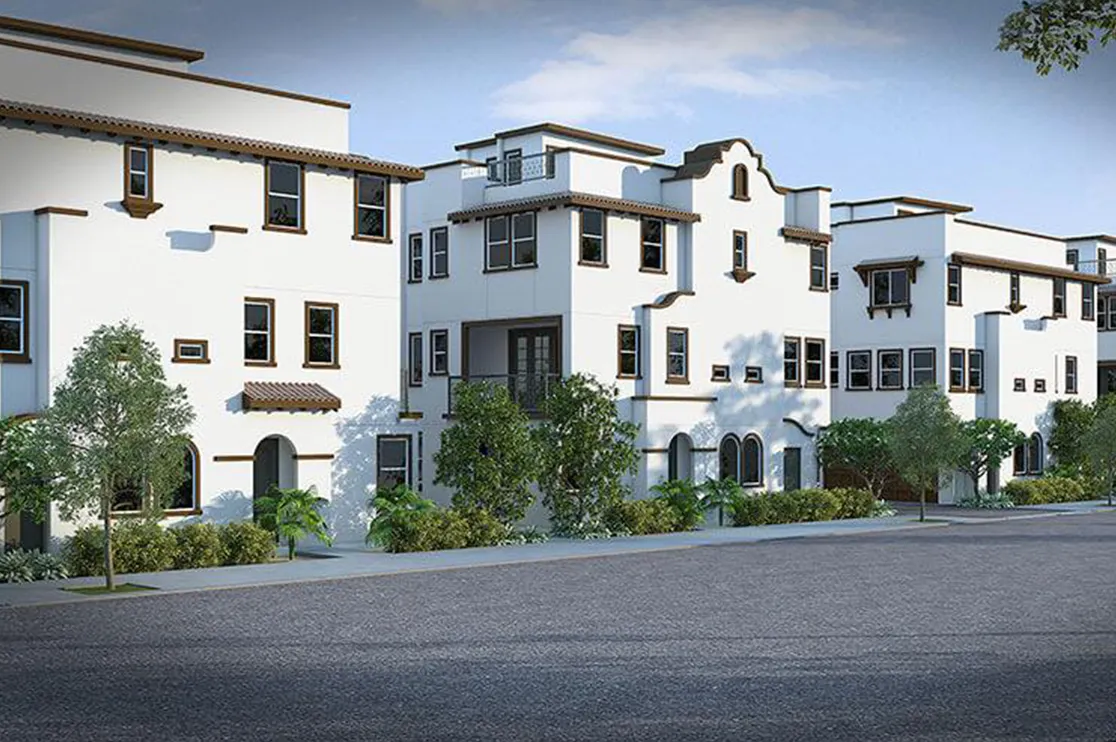
When you’re building a 13-storey residential tower in New York worth millions, experience becomes non-negotiable. Every week brings fresh design revisions, consultant feedback, marketing deadlines, and stakeholder meetings. A visualization partner that has handled similar developments knows how to manage this pace without compromising quality or timelines.
The same applies to long-term client relationships. Developers rarely return to a partner by chance. Repeat engagements usually reflect consistent delivery, dependable communication, and the ability to support projects through multiple phases.
How to Evaluate Their Experience
-
Ask to see projects similar to yours, not just their best-looking renders.
-
Look for repeat clients and long-term partnerships.
-
Speak with the project lead or department head. Within a few minutes, you’ll understand whether they think like a production partner or simply a rendering vendor.
-
Ask whether they also work with CAD, BIM, or construction documentation teams. A broader understanding of the AEC workflow often leads to better coordination and fewer visual discrepancies.
3D Studio’s Ability to Handle Continuous Revisions
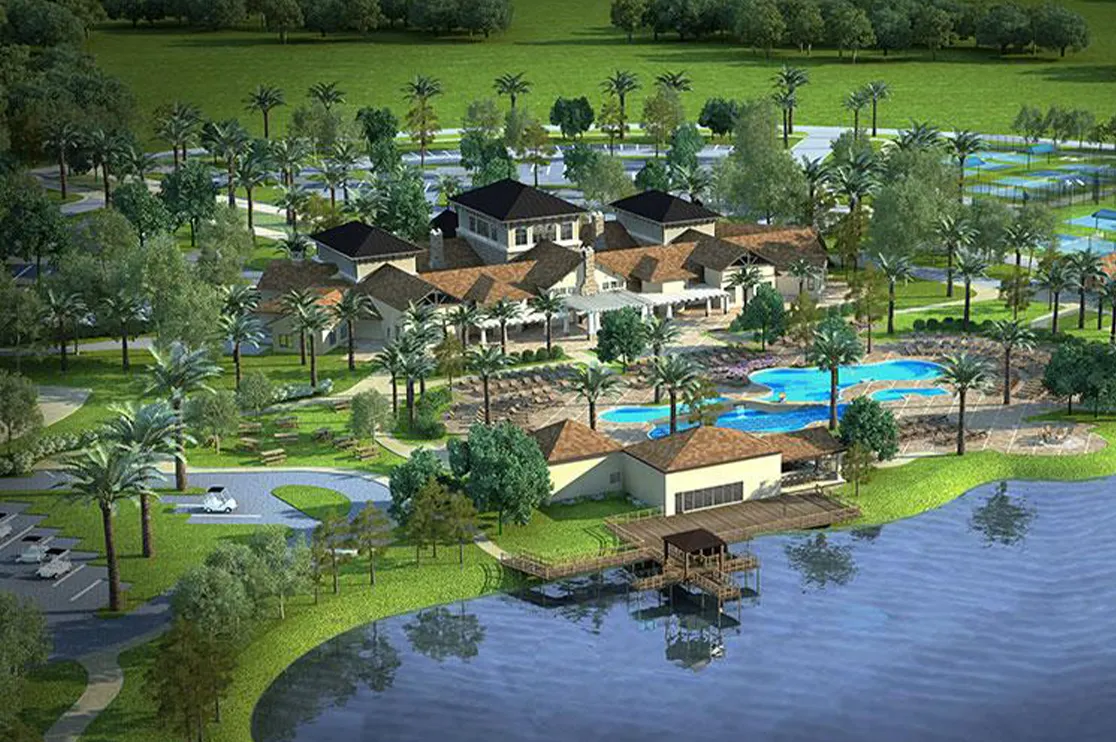
For large scale developments, revisions are part of the process, not an exception. A new multi-specialty hospital in Delaware USA, for example, may receive simultaneous design updates for the pediatric wing, cardiology block, emergency department, and public spaces. These revisions often overlap and need to be incorporated within tight delivery windows.
A professional 3D real estate rendering company is equipped to handle parallel workflows. Small 3D services firms with limited capacity or unstructured processes often struggle when multiple revisions arrive at once, resulting in delayed deliverables and inconsistent outputs.
The goal isn’t simply to accommodate revisions. It’s to keep your project moving while ensuring every visualization reflects the latest approved design.
What to Look For
-
Production capacity: Ask how many 3D artists work in the team and how many projects they handle simultaneously.
-
Revision workflow: Ask how revisions are tracked, approved, and managed through version control.
-
Project manager: Ask about their experience, qualifications, and the scale of projects they have managed.
-
Parallel execution: Ask how they handle simultaneous revisions across multiple buildings or project zones.
-
Turnaround time: Ask how quickly they can incorporate design changes without affecting agreed delivery schedules.
Production Capacity to Meet Project Deadlines

At BluEnt, we’ve worked with some of America’s leading home builders, including David Weekley Homes and Beazer Homes, delivering 500+ rendering views every month under stringent project timelines.
That’s the reality of large-scale real estate developments! Investor presentations, marketing campaigns, launches and pre-sales follow fixed schedules. And it’s the high-quality visualizations form the foundation of each of them.
A project launch often involves hundreds of visualization assets, including exterior and interior renderings, aerial views, walkthrough animations, virtual staging, VR experiences, and interactive presentations, all delivered within strict deadlines.
Your CGI partner should have the production capacity, technical expertise, and asset versatility to deliver every visualization on time without compromising quality or consistency. That’s how long-term partnerships are built.
What to Look For
-
Review their portfolio to ensure they offer the full range of visualization services your project may require.
-
Request a pilot project or sample deliverable to assess quality, communication, and turnaround time.
-
Ask about their monthly production capacity and whether they can quickly scale resources as your project grows.
-
Understand how they manage multiple asset types while maintaining consistent quality across every deliverable.
-
Also, enquire about the latest trends in 3D visualizations such as VR/AR, interactive 3D floor plans and site plans.
Visual Consistency Across Every Real Estate Rendering Asset
Large scale real estate developments are marketed across websites, billboards, digital campaigns, investor presentations, and sales centers. Every visualization should communicate the same architectural intent. From the material palette to lighting style to landscaping everything should be consistent, regardless of the format.
Make sure your 3D real estate rendering partner follows standardized workflows, shared asset libraries, and clearly defined visual guidelines.
This is key area that strengthens your brand identity and builds buyer confidence throughout the sales journey.
What to Look For
-
Review one complete project portfolio, not just individual images, to assess consistency across all assets.
-
Ask how they maintain consistency when multiple artists work on the same project.
-
Understand whether they use standardized material, lighting, and asset libraries.
-
Request different asset types from the same development, such as interiors, exteriors, aerials, and walkthroughs.
-
Ask what output resolutions they support (HD, 4K, 8K, 16K) for both digital and large format marketing.
-
Understand their QA/QC process before every delivery.
Technology & Engineering Expertise Beyond Architectural 3D Rendering
Just recently, one of our home builder clients in New Jersey shared their Revit model and asked us to deliver both 3D visualizations and architectural shop drawings. Since our BIM, CAD, and visualization teams work together, we coordinated the model, generated the renderings, walkthroughs, and delivered the shop drawings without the client having to engage another consultant.
That’s why it’s worth partnering with a real estate 3D rendering company that offers complete engineering support and works with the latest technologies like AutoCAD, Revit, 3ds Max, Unreal Engine, Lumion etc. What does it do for your project:
-
Simplifies coordination
-
One partner for all engineering and visualization requirements
-
Reduces turnaround times and hassles for finding new contractors
-
Lower project costs and reduced management effort
Structured Team with Robust QA/QC Processes
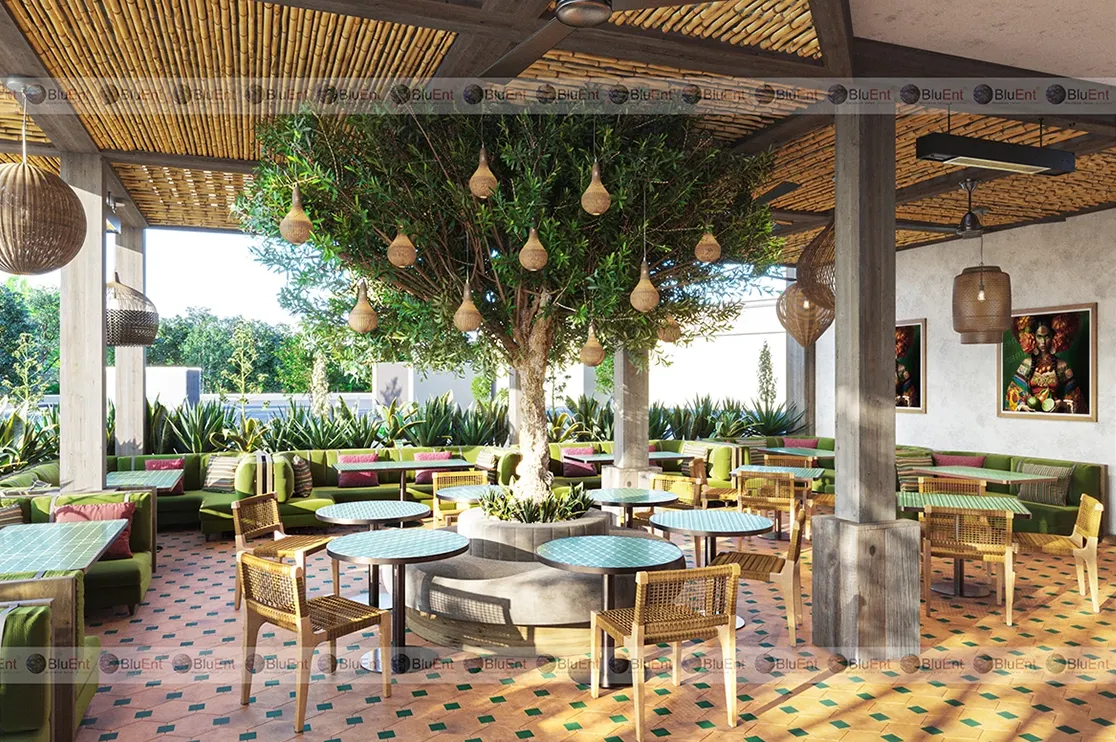
When you work with a freelancer or a very small team, the unavailability of a key visualizer can disrupt timelines, delay deliverables, and often leave little room for structured quality checks.
Large scale real estate developments can’t afford that risk. Even minor errors can lead to rework, delayed approvals, and postponed marketing activities.
That’s why a structured team with well-defined QA/QC processes is non-negotiable. At BluEnt, every deliverable goes through three levels of quality review: self-review, peer review, and managerial review. We also leverage AI assisted validation to identify inconsistencies and further enhance quality before the final delivery.
-
Ask about their quality control process and other review processes before every delivery.
-
Understand how they manage projects if a key team member is unavailable.
-
Enquire whether they are using only AI or AI-assisted workflows
Global Experience and Local Expertise
As a leading real estate developer, you may be launching a residential community in Texas, a mixed-use development in Toronto, and a hospitality project in Australia. All Simultaneously.
Practically, hiring a different 3D real estate rendering company for every geography will be expensive and difficult to manage.
Instead, partner with a 3D studio that has a global presence, an international portfolio, and a deep understanding of local markets. They can adapt visualizations to regional architectural styles, buyer preferences, and marketing expectations while giving you a single, reliable partner across every project.
One of our long-term clients in the United States expanded its portfolio into Canada and the UK. Instead of engaging a new visualization partner for each market, they continued working with BluEnt. As new projects came online, we brought in regional visualization specialists while maintaining the same project management team. That continuity simplified coordination, maintained brand consistency, and kept every project moving on schedule.
What to Look For
-
Multi country project portfolio and regional visualization expertise
-
Responsive communication across time zones
-
Physical offices and local client support when required
-
Ability to meet clients on site or at regional offices
-
Business continuity with distributed delivery teams
Confidentiality and Data Governance Practices
Confidentiality and data governance should be among your top priorities when selecting a 3D rendering company. When you share your project, you’re also sharing your intellectual property, including floor plans, masterplans, design concepts, and future developments.
A professional rendering partner should protect that information through Non-Disclosure Agreements (NDAs), secure file sharing, controlled access, and well-defined data governance practices.
If your partner refuses to sign, it’s a red flag to immediately start considering the next one. Your negligence on this point can end up in legal disputes and your competitors can take advantage of this situation.
If a real estate CGI firm refuses to sign an NDA or cannot explain how your project data will be protected, consider it a red flag. Overlooking this can expose your business to legal disputes, data breaches, and the risk of confidential project information reaching competitors.
Ability to Scale With Your Diverse Real Estate Projects
Enterprise developers or Real Estate builders rarely have a consistent workload. They may need:
-
200 renders this month and 1000 next quarter.
-
Support for a single competition or an entire multi-year development.
-
A dedicated team during peak launch periods.
That’s where engagement models matter.
The ability to scale resources up or down or a choice of engagement models ensures you only pay for what you need. So, you get:
-
Consistent quality
-
Deadlines matched
-
Everything in budget
Ask your real estate CGI services company about engagement models such as billing done based on per project, timesheet based or studio team model.
Recommended Reading:
Choose a 3D Real Estate Rendering Partner That Mirrors Your Brand
For Large scale real estate projects, choosing a 3D real estate rendering partner is not just about finding a company that creates impressive visuals. It’s about working with a team that understands your design intent, brand standards, project timelines, revision cycles, and evolving demands of this fast-paced industry.
If a 3D real estate renderings studio checks all the evaluation criteria shared above, you’ve likely found a partner you can trust for years to come.
Backed by a scalable team of 150+ visualizers and 14 global offices, BluEnt has been a trusted 3D rendering partner for leading builders, developers, architects, and AEC firms worldwide. Our long-standing client relationships and repeat engagements reflect the trust our clients place in our team.
Frequently Asked Questions
How can I evaluate the production capacity of a 3D real estate rendering company for large scale projects?Evaluating a 3D rendering company’s production capacity for large-scale projects requires assessing their team size, hardware infrastructure, and workflow scalability. Key evaluation steps include reviewing their hardware setup, workforce depth, and past project volume.
Why is long term partnership critical when choosing a 3D real estate rendering studio?A long-term partnership with a 3D rendering studio is crucial because it ensures visual consistency, streamlined workflows, and deep brand alignment. Retaining a familiar architectural visualization studio prevents the repeated onboarding friction and stylistic mismatches are common with one-off vendors.
Should I partner with a freelancer, a small studio, or an enterprise 3D rendering company for real estate projectsChoosing the right real estate rendering partner depends on your project size, budget, and need for management: select a freelancer for tight budgets and single images, a small studio for standard multi-unit developments, or an enterprise company for massive master-planned communities and complex animations.





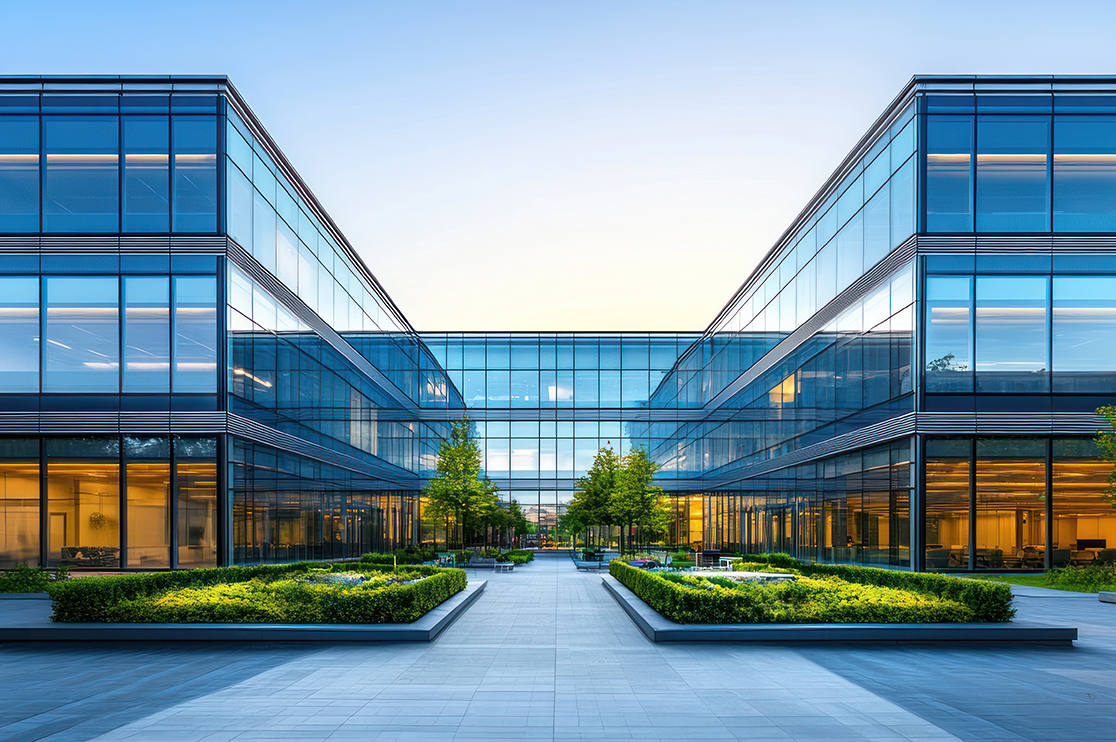 3D Commercial Rendering Tips: How to Reduce Stakeholder Rejections (By Experts)
  Why Developers Rely on Adaptive Reuse Renderings Before Renovation Begins?
 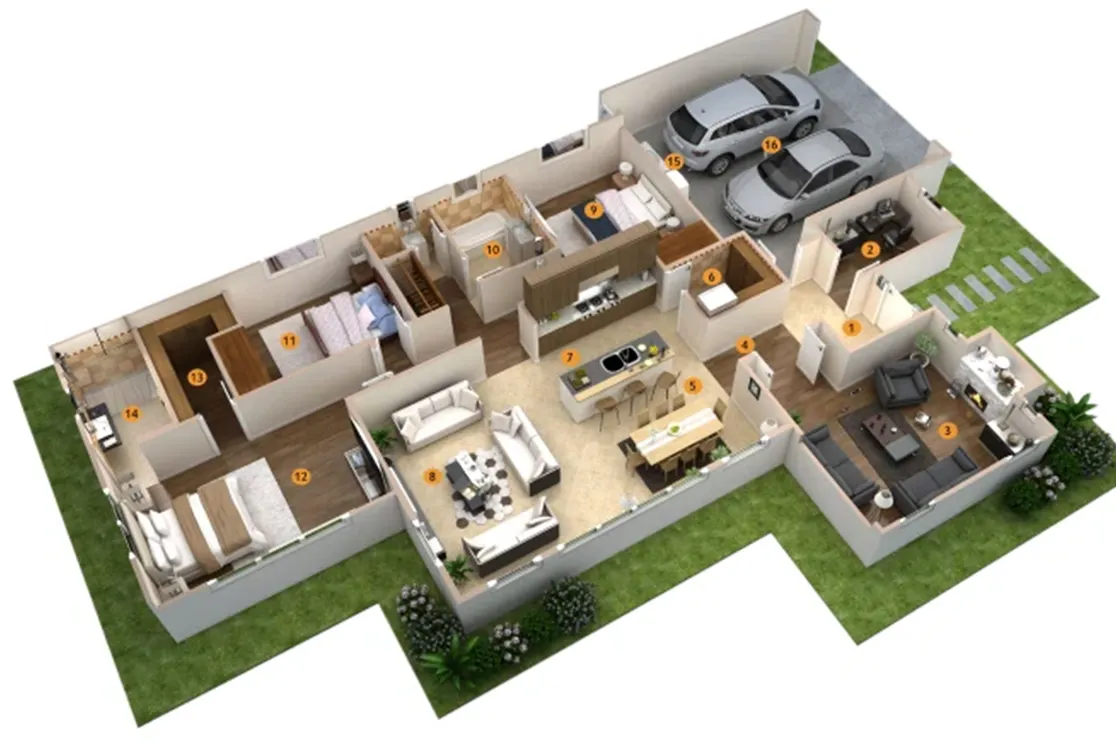 3D Dollhouse Rendering: 8 Business Benefits for Residential Developers
 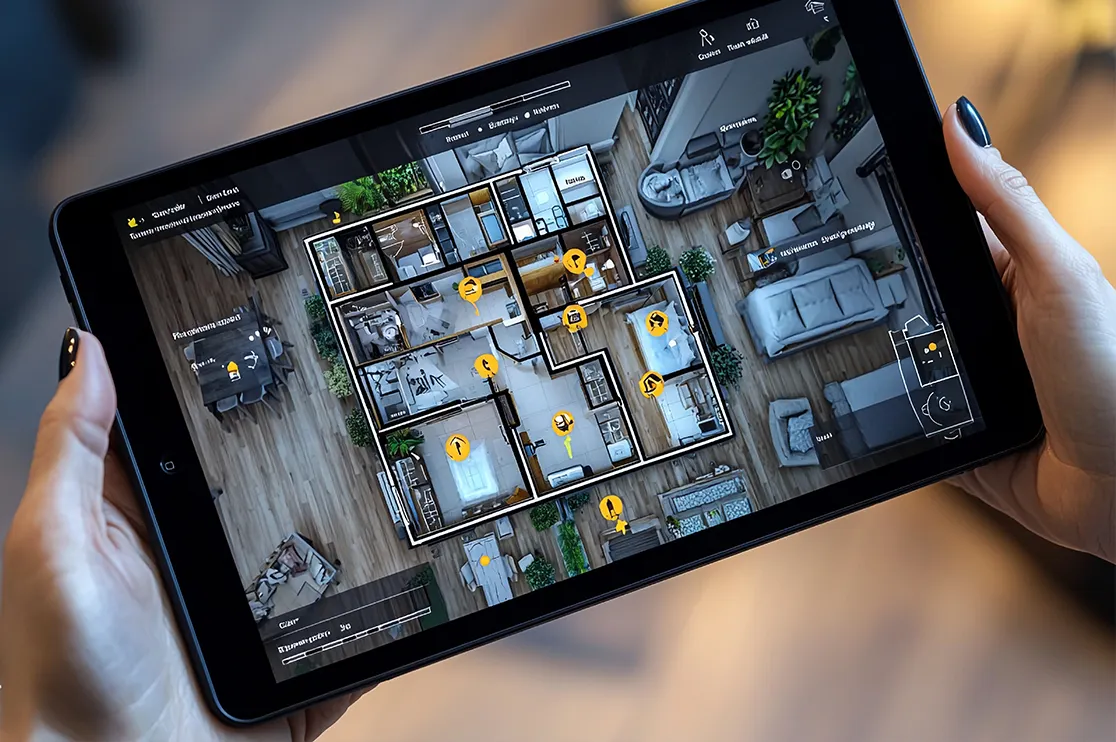 Why Are Modern Home Builders Switching to Interactive Floor Plans for Property Marketing?